
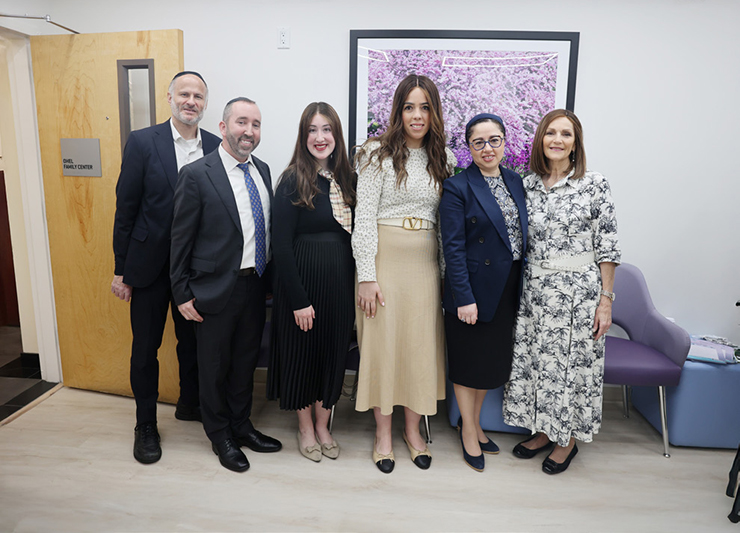
For years, families throughout Central Queens faced a difficult reality: When a child, teenager, parent, or adult needed mental health support tailored to the sensitivities of Orthodox Jewish life, help required an often-grueling commute to Brooklyn or Far Rockaway. In too many cases, families simply went without the care they needed. Several attendees at a recent VIP pre-opening reception described a longstanding feeling that Queens had been overlooked while major mental health and family service infrastructure expanded elsewhere. During the breakfast reception organized by Ohel Chief Marketing Officer Malka Grossman, participants openly shared their relief, prompting an attendee to confidently remark to this writer, “Finally, Queens is on the map — people are going to utilize this.”
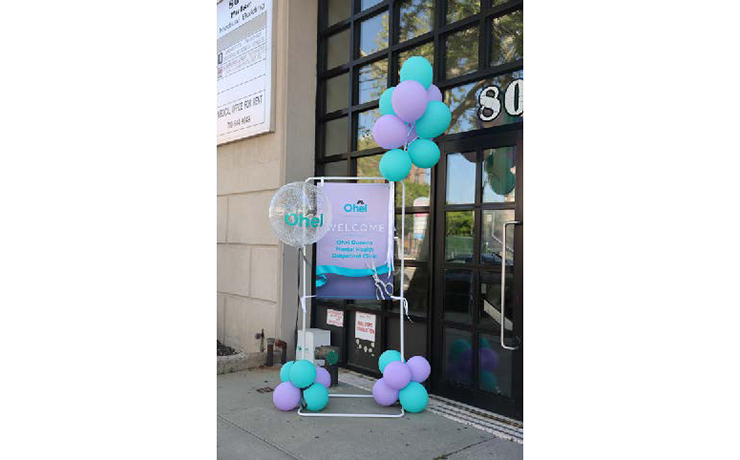
Now, after months of collaboration between rabbanim, educators, clinicians, social workers, and community advocates, Ohel Children’s Home and Family Services has officially established a major new presence in Queens with the launch of its Mental Health Outpatient Clinic, opening May 27, located off Union Turnpike and 164th Street in Hillcrest. Addressing the crowd, Adam Lancer, Ohel’s Chief Operating Officer, traced the clinic’s genesis back just six months to a pivotal grassroots meeting held in the home of Mr. and Mrs. Danny Gross of Kew Gardens Hills, where local rabbanim and school principals implored the organization for localized help. Invoking the spirit of the Shehecheyanu and Hatov Vehametiv blessings — prayers of gratitude acknowledging milestones that benefit both the individual and the broader collective — speakers celebrated the leadership, guidance, and partnerships that brought the clinic to life.
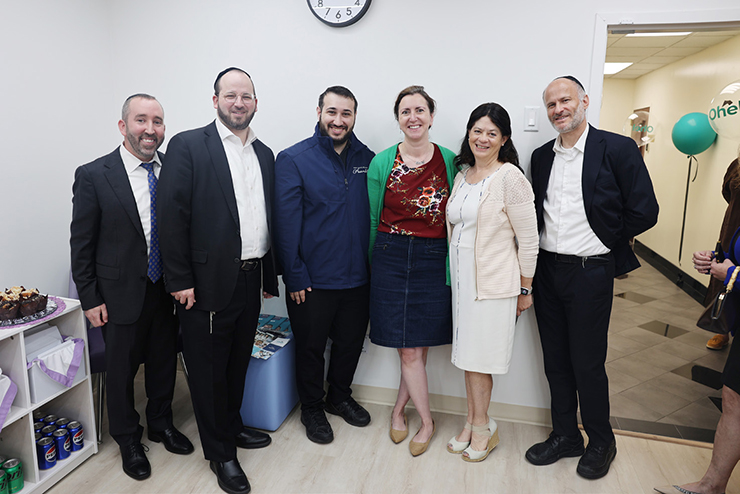
While Ohel had spent years quietly working inside local institutions like Yeshiva Sha’arei Zion (YSZ), the Jewish Institute of Queens (JIQ), and others, the need for a dedicated, comprehensive outpatient clinic became undeniable. Selecting Hillcrest addresses both logistics and stigma. Situated near the center of the broader Queens Jewish community, the clinic is easily accessible from numerous surrounding neighborhoods. “We have a clinic in Far Rockaway,” Lancer noted during the event. “Some people went there, but as we all know, it’s only a couple of miles away, yet it can take hours.”
In addition, the clinic was intentionally placed within the Pulse Medical Building. Because it sits alongside numerous other medical offices, visitors can enter discreetly without feeling singled out. “That discretion matters tremendously in the community,” an attendee observed, noting that the setting allows individuals to appear as though they are simply attending a routine medical appointment. The warm, professional aesthetic of the space itself was credited to Susan Lauder, Director of Ohel’s Medical Clinic, who brought both her clinical background and interior design expertise to the project. Among those publicly thanked during the program for championing the effort was Rabbi Yosef Deutscher, Director of Judaic Studies at Zucker Jewish Academy of the Five Towns, who provided critical early support.
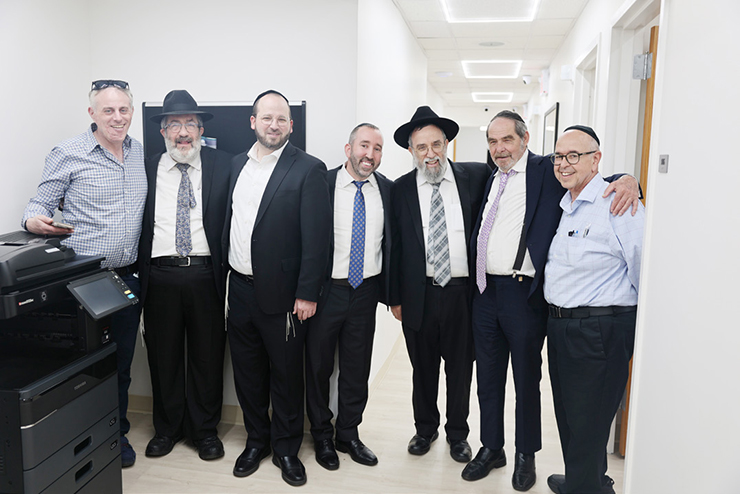
This expansion brings the full weight of a $115 million agency to the borough. While Ohel has spent more than five decades providing foster care, crisis intervention, residential services, and family support throughout New York — including three existing residential programs for individuals with developmental disabilities here in Queens — speakers openly acknowledged that many people still primarily associate the organization with foster care or residential tracks, remaining unaware of its expansive mental health infrastructure. Lancer explained that providing such a broad range of services can sometimes make it harder for people to understand the full scope of what Ohel does. “But this clinic is really for the average Joe,” Lancer emphasized, “someone dealing with parenting struggles, marital issues, anxiety, social difficulties, depression, or a teenager having emotional struggles.”
Dr. Chesky Gewirtz, the clinic’s Clinical Director, spoke candidly about the growing struggles hitting local families, pointing to rising rates of anxiety, depression, addiction, and relationship challenges. Before joining Ohel, Dr. Gewirtz served as director of a child and adolescent mental health clinic at Queens Hospital Center, where he witnessed firsthand how many frum families searched for high-quality professional care that both accepted insurance and understood their cultural world. He emphasized that the clinic’s therapeutic approach is evidence-based and professionally structured, featuring programs like parenting workshops for anxious children and social skills groups. “The bread and butter of the clinic is individual psychotherapy with highly trained therapists providing evidence-based care,” he explained. “It’s not just talking and schmoozing.”
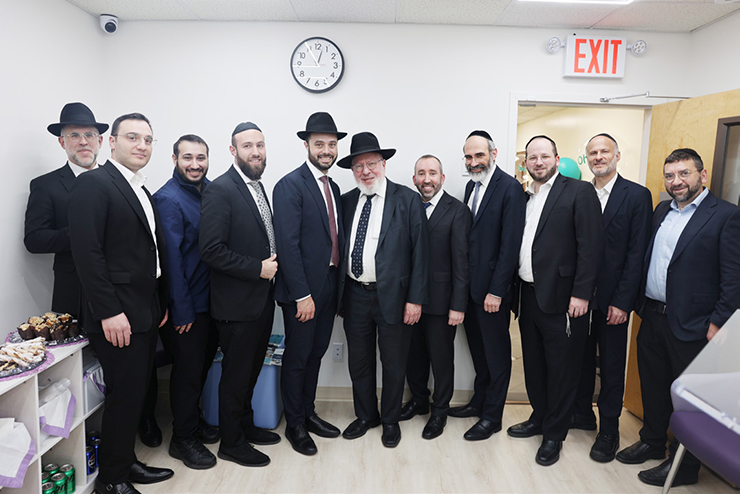
The clinic will offer individual psychotherapy, family counseling, couples therapy, psychiatric care, medication management, health screenings, and crisis intervention. The clinical leadership team features Dr. Jonathan Tamaiev, Board Certified Child Psychiatrist, Supervisor, and Case Consultant, alongside Community Liaison Malka Yunaev-Shimonov, LCSW. Programming is built to serve individuals across the lifespan from ages 0 to 120-plus, handling everything from anxiety, depression, OCD, and ADHD to PTSD and day-to-day parenting blockages. For young children, specialized modalities like play therapy, talk therapy, and youth social skills training will be standard.
Immediate summer clinical programming launching at the facility includes specialized Monday night Anger Management Groups for youth, overseen by Director of Community Outreach Dr. Chaim Neuhoff and co-led by Simcha Avruch, LMSW. Dr. Neuhoff will also helm a concurrent, six-session virtual course titled “Parenting Your Anxious Child,” co-led by Zahava Hurwitz, LMHC-LP, designed to offer practical parenting responses to childhood avoidance and perfectionism. Dr. Gewirtz highlighted the fact that the clinic treats clinical files with the same strict, HIPAA-compliant confidentiality as any standard medical record, keeping visits completely secure for local families. As stigma surrounding mental health treatment within the Orthodox community has gradually lessened, more families are looking for help before a situation spins into an emergency. To keep care affordable under the direction of Chief Clinical Officer Amy Borick, the clinic accepts Medicaid, Medicaid Managed Care, and most major commercial insurance plans, while notably providing free transportation assistance for Medicaid recipients. Even before officially opening its doors, Dr. Gewirtz revealed that the clinic had already received more than twenty referrals through word-of-mouth alone, noting that local reactions have been overwhelming.
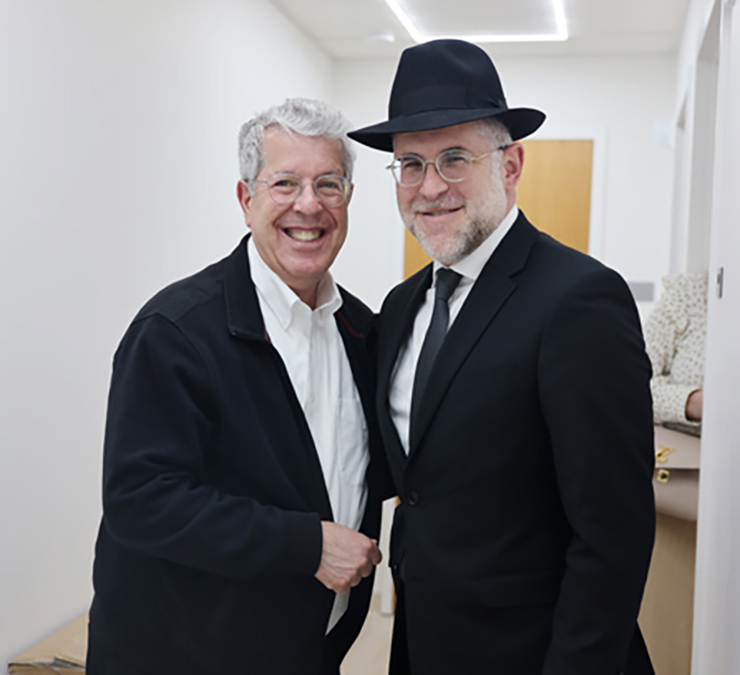
Elected officials representing the area were present to offer concrete municipal backing and praise the localized focus of the project. Assemblyman Sam Berger commended Ohel’s leadership for meeting families where they are, pointing out the massive practical strain of travel. “If you have a child who’s going through some struggle and they need help, but the commute to get there is going to be 30 or 40 minutes or an hour away, you might just say they’ll buck up and we’ll figure it out,” Berger noted. “Having someplace where it’s in your own community, it’s right there with you, makes it easier to get the help that you need.” Berger highlighted recent mental health workforce legislation passed concurrently in both the state Assembly and Senate, specifically crediting Ohel Chief Administrative Officer Asher Fleischer for his collaborative advocacy in extending social work limited permits from one year to two years to keep clinics staffed. To support the expanding footprint, Berger announced a proposed $250,000 state grant to fund the neighboring developmental disability center. Assemblywoman Nily Rozic, who represents the local district, emphasized the importance of delivering critical municipal resources directly to local neighborhoods, thanking the frontline clinicians and therapists who “do the hard work” while announcing an additional New York State grant to support the facility’s buildout and specialized operations.
Beyond the outpatient clinic, Ohel representatives revealed that construction is already underway next door for a new Day Habilitation Program for adults with developmental and intellectual disabilities, including autism and Down syndrome, with registration officially open for Fall 2026. The upcoming center will focus on supported employment, vocational preparation, community integration, and life-skills development, mirroring successful Ohel models already operating in Brooklyn and the Five Towns. Attendees were invited to take a stroll by the construction site following the program, which also highlighted ongoing outreach initiatives like Ohel’s End of Summer staffing program. This initiative deploys dedicated camp counselors to Camp Kaylie for boys and South Fallsburg for girls to create inclusive summer camp experiences and lifelong friendships for children with developmental disabilities. The gathering ended on a distinct note of relief, with many attendees remarking on just how long Queens families had waited for local support systems. “This literally came from the community,” Lancer concluded. “People asked us to come — and we listened.”
By Shabsie Saphirstein