
Your Child’s Camp May Be Caught in a $195 Million Bankruptcy. Here’s What We Know.
Exit 96 on Route 17 always meant something special to me.
Long before I covered community news, I was one of the countless Orthodox children whose summers revolved around camp. I spent much of my childhood at Camp Yesharim in Livingston Manor, where the rhythms of camp life became part of who I was. The drive up to the Catskills, the anticipation of opening day, the friendships, the traditions, and the feeling of returning to a second home remain among my strongest childhood memories.
Camp Yesharim itself was shaped by people who gave it its warmth and identity. The camp was operated by Louis Greenspan, a well-known physical therapist from Forest Hills, and R’ Avrohom Kahn of the close-knit Kew Gardens community, while Wendy Gerson, originally from Kew Gardens Hills, served as the camp mother. Together with her husband, Alan, she helped create the family atmosphere that made Yesharim feel like a second home for so many campers. Decades later, I still feel connected to them and grateful for the role they played in shaping those summers.
The area around us was filled with names that carried meaning for generations of campers. Camp Kesser stood across from us, while Camp Raleigh represented an earlier chapter in the history of the property that later became Camp Yesharim. Like many camps throughout the Catskills, ownership changed, names evolved, and new generations of campers created their own memories.
As a child, I assumed those places would always be there. As an adult, I learned that camps, like every institution, depend on the people who own and operate them.
That lesson became personal again when I thought about Camp Acheinu, a local day camp that operated on the YTM campus. In 1991, I was among its earliest registrants under Rabbis Pomerantz and Chesser. Years later, that camp would close. Yet the story did not end there. Today, a new local day camp is operating on that same YTM property and is now in its second year.
Those memories came rushing back when news broke that Michael and David Shabsels – among the largest private owners of Jewish camps in North America – had filed for Chapter 11 bankruptcy protection on June 4, along with their holding company, Simad Holdings, and dozens of affiliated entities.
Through a series of acquisitions and partnerships beginning around 2006, the brothers became among the largest private camp owners in North America, building a portfolio that extended beyond camps into commercial real estate and other holdings across several states. Over two decades, they acquired or became involved with dozens of camp properties, many of them serving Orthodox Jewish families throughout the Northeast.
The filing follows missed bond payments, mounting questions about the company’s financial condition, and intensifying scrutiny from regulators. The reported portfolio includes approximately 30 camps serving roughly 20,000 children annually. Many Queens families have children enrolled in camps connected to the Simad portfolio, making these developments more than just a business story for our local Orthodox community. While the story has generated significant attention in industry and financial publications, much of the discussion among parents appears to be taking place privately within camp and community circles.
Beyond the balance sheets are thousands of campers, seasonal staff members, camp employees, vendors, and families whose summer plans depend on the continued operation of these institutions.
Camp officials have consistently emphasized that the bankruptcy proceedings concern ownership and financing matters rather than day-to-day camp operations, and that preparations for the summer continue as scheduled. A bankruptcy judge has permitted the camps to access individual operating accounts to cover summer expenses, and Chief Restructuring Officer Assaf Ravid has been appointed to oversee the restructuring process while camp directors continue preparing for the summer season.
Based on current court filings and statements from camp officials, the camps are expected to operate this summer. The uncertainty lies in who may ultimately own them in the years ahead.
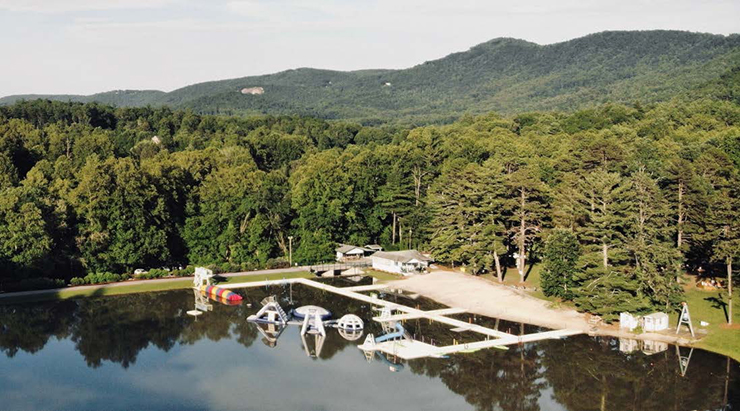
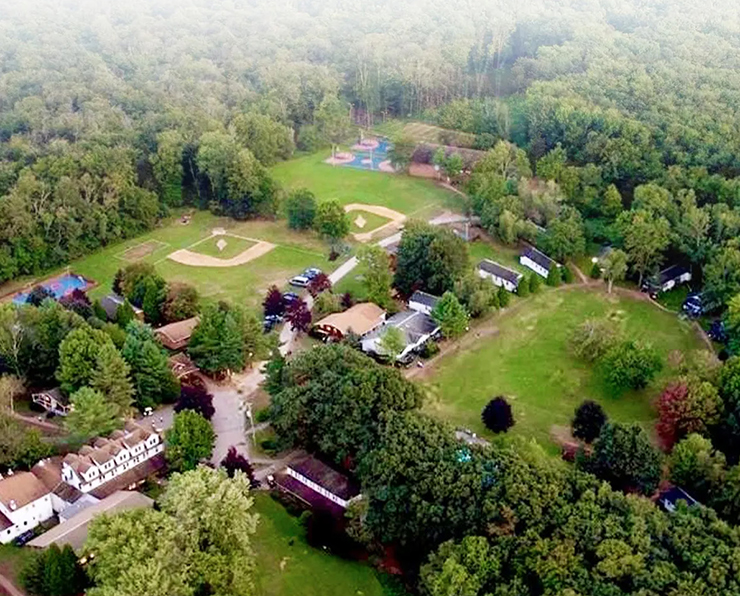
This collapse is not a result of waning demand. Jewish camping remains robust, and these camps maintain loyal followings. Instead, the crisis stems from a highly leveraged real estate structure.
In December 2025, Simad Holdings raised approximately $195 million through an Israeli bond offering, pledging 13 camp properties as collateral. The crisis accelerated dramatically when Simad disclosed that approximately $34 million had been transferred from the company to entities controlled by the Shabsels brothers. According to public reports, the company’s audit committee subsequently sought the return of those funds.
The disclosure raised immediate concerns among investors, because the transfer involved money from the very company whose assets had been pledged to bondholders only months earlier. When the funds were reportedly not returned, concerns among creditors intensified, ultimately contributing to the company’s default and bankruptcy filing.
The involvement of the Israeli bond market has turned a regional American business issue into an international matter. Israeli securities authorities have opened inquiries and requested information concerning the company’s disclosures and financial reporting.
There is currently no indication that families should alter their summer plans, though parents should remain attentive to communications from camp leadership as the bankruptcy process unfolds. Whether the camps ultimately remain under current ownership, are sold to new investors, or transition to nonprofit stewardship remains unknown.
The immediate concern is Summer 2026. By all indications, camp buses will roll, bunks will fill, and another summer will begin on schedule. The larger question is what the ownership structure of Jewish camping will look like by Summer 2027 – and who will ultimately be entrusted with preserving some of its most treasured institutions.
By Shabsie Saphirstein
Reported Camps Connected to Simad Holdings
Ownership structures vary, and not every camp has the same relationship to the bankruptcy. Reported properties include:
- Blue Star Camps
- Camp Achim
- Camp Chen-A-Wanda
- Camp Echo
- Camp Lavi
- Camp Malka
- Camp Med-O-Lark
- Camp North Star
- Camp Wekeela
- Club Getaway
- Country Roads Day Camp
- Eagle’s Landing Day Camp
- Forest Acres Camp
- Green Lane
- Indian Acres Camp
- Kiwi Country Day Camp
- Meadowbrook
- Mohawk Day Camp
- New England Golf & Tennis Summer Camp
- Rolling Hills Day Camp
- SHMA Camps, including historic programs associated with Heller, Sternberg, Mogen Avraham, Kesher, and Chaverim
Timeline of the Crisis
- 2006-2025: The Shabsels brothers build a substantial camp and real estate portfolio.
- Dec. 2025: Simad Holdings raises approximately $195 million through an Israeli bond offering.
- Early 2026: Public filings valued Simad’s camp portfolio at approximately $466 million as the company continued expanding its financing activities.
- May 2026: Disclosures reveal approximately $34 million was transferred to entities controlled by the Shabsels brothers; Simad defaults on bond payments.
- June 4, 2026: Simad Holdings files for Chapter 11 bankruptcy.
- June 2026: Court approves access to operating accounts for 2026 summer expenses; Israeli investigators request information.
- Summer 2026: Camps are expected to operate as scheduled.
- Oct. 2, 2026: Deadline for the submission of a restructuring plan.