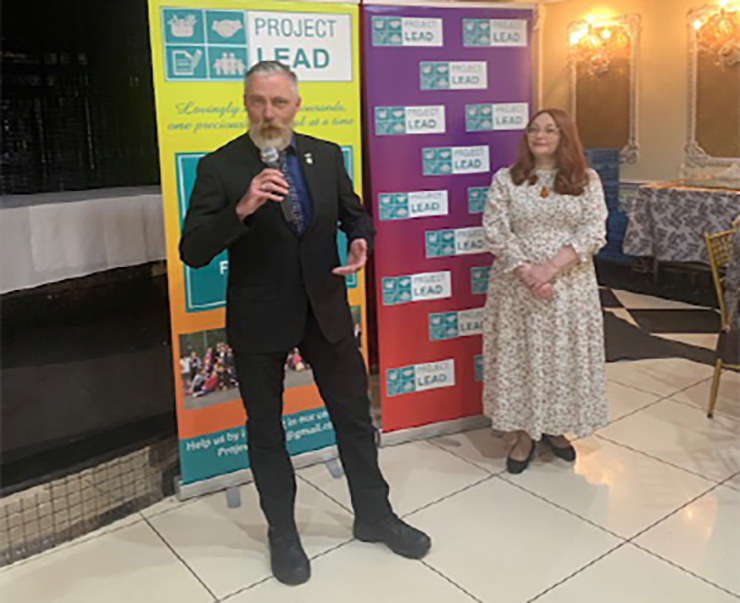

The reception at the Rabbinical Seminary of America (Yeshivas Chofetz Chaim) in Kew Gardens Hills was filled to capacity on Sunday morning, June 7, as friends, family members, volunteers, educators, and longtime supporters gathered for the Jewish Education Program (JEP) Queens Testimonial Breakfast. While the event honored dedicated volunteers who have helped shape the lives of countless children, the gathering’s true focus reached far beyond the plaques: Every Jewish child matters, and every act of outreach has the power to transform generations.
For more than 50 years, JEP Queens has been one of the borough’s most influential kiruv organizations, connecting public-school Jewish children to their heritage through weekly learning, Shabbatons, Yom Tov programming, and personal mentorship. The morning moved beyond the standard rhythm of an awards ceremony and became a reflection on how decades of m’siras nefesh can shape individuals, families, and entire communities.
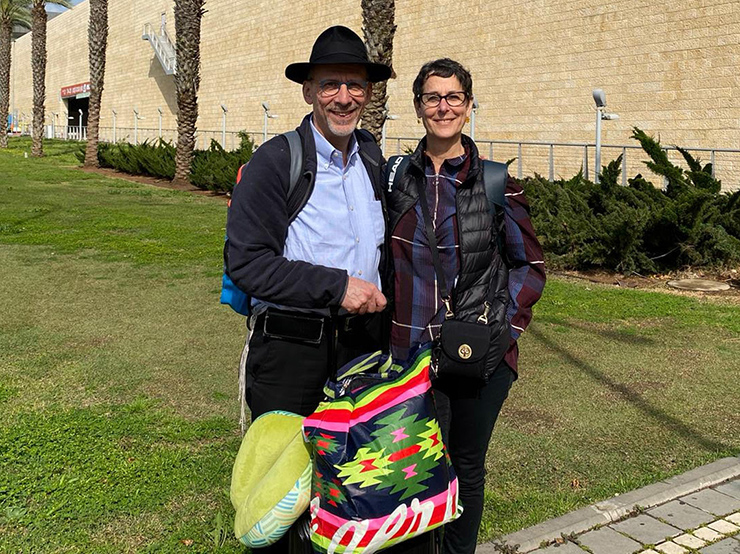
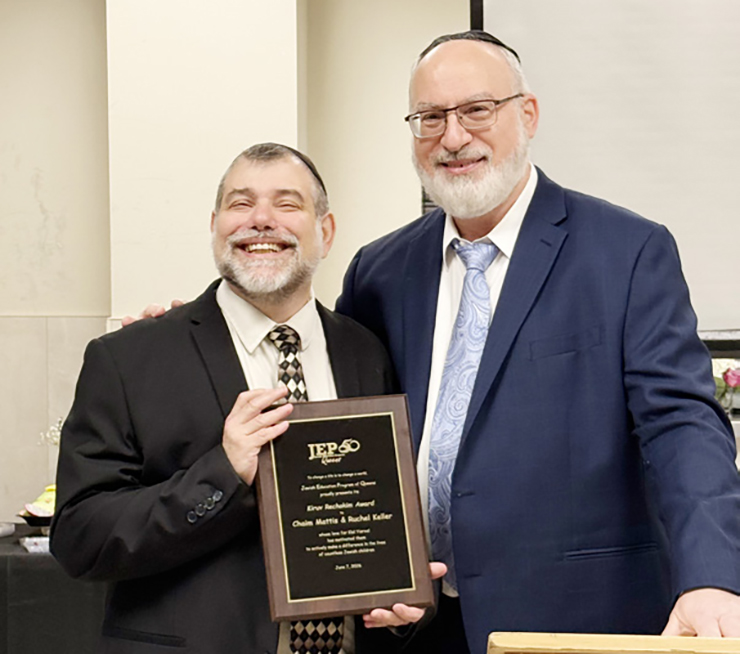
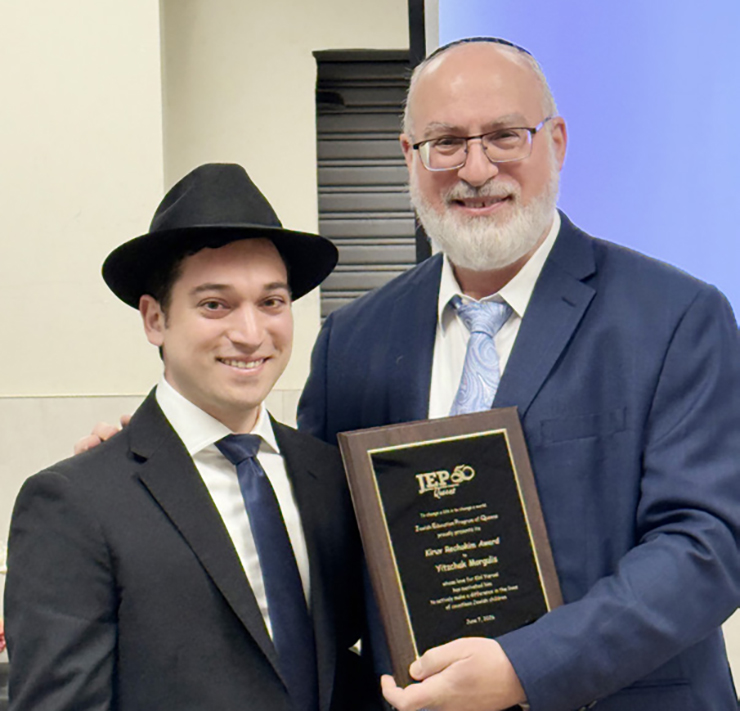
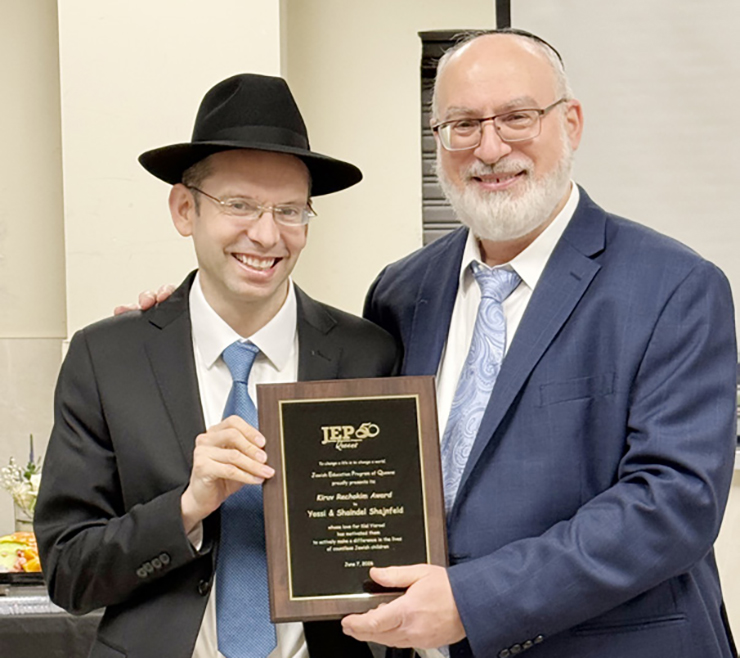
This year’s Kiruv Rechokim Award honorees – Chaim Mattis and Ruchel Keller, Yossi and Shaindel Shajnfeld, and Yitzchak Morgulis – each represented a different dimension of JEP’s avodas ha’kodesh. Despite their different backgrounds and contributions, one common thread bound them together: a willingness to invest their hearts, homes, and time into the children they serve.
Rabbi Yaakov Finestone, who has guided JEP Queens for decades, leads in the spirit of his esteemed father, the late Rav Yisrael Finestone zt”l. For many in Kew Gardens Hills, Rav Yisrael was a foundational influence in their youth. This writer had the personal privilege of hearing his approach to Torah firsthand as a fellow mispalel at the Agudath Israel of Kew Gardens Hills.
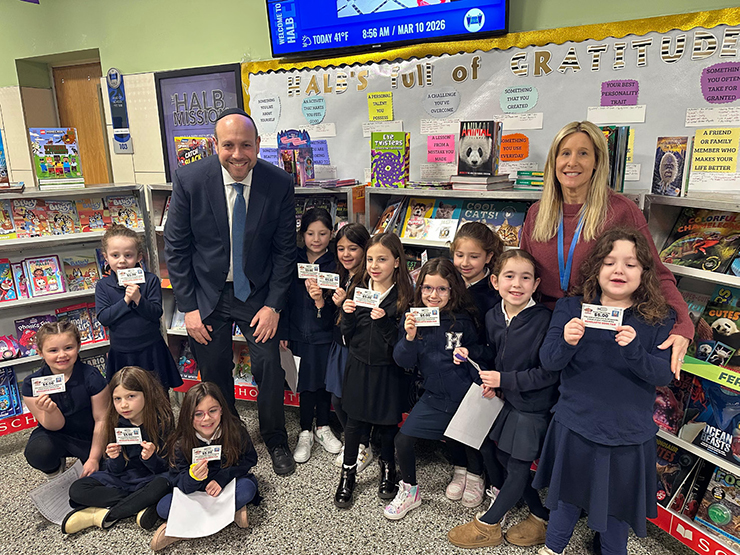
Rabbi Yaakov Finestone opened the morning with a simple truth: Programs and curricula matter, but relationships change lives. The volunteers were honored not just for managing programs, but for deeply caring about every neshamah who walked through JEP’s doors. For those raised with this legacy, JEP has long been synonymous with outreach, warmth, and bringing public-school children closer to their Jewish heritage.
The Kellers embody that philosophy. Introducing the couple, Rabbi Finestone reflected on the organization’s earlier, smaller days. Over the decades, Chaim Mattis and Ruchel have opened their home to Shabbaton participants, offering children a firsthand look at the warmth and authenticity of an ehrliche, Torah-observant household. Accepting the award, Chaim Mattis spoke with humility and gratitude for the chance to participate in JEP’s holy work. Looking back 30 years to the basement of Torah Ohr, he marveled at how much the organization has grown.
The same spirit of investment defined the tribute to Yossi and Shaindel Shajnfeld. Rabbi Finestone recalled Yossi’s years running JEP’s PS 99 branch, where generations of students found mentors whose impact lasted long after graduation. When students lacked a ride to Shabbatons, Yossi drove them. When children needed chizuk, he was there. One former participant continues to maintain a close bond with the Shajnfelds today, regularly joining them for Shabbos seudos. Rabbi Finestone also highlighted Shaindel’s chesed with special-needs children, praising the patience and compassion required to nurture students facing additional challenges.
That legacy of steady dedication lives on in Yitzchak Morgulis, who represents the backbone of JEP: the volunteers who show up week after week, performing the vital tasks that rarely receive public attention.
Rabbi Finestone described Yitzchak as a calm, caring educator who connects with students of every temperament. Beyond teaching, Yitzchak handles logistics, supervises release-time programming, transports students, helps with Yom Tov events, and manages the many behind-the-scenes needs that keep JEP running.
The emotional highlight of the morning came through testimonials from former participants. One former student recalled waiting every week for Wednesday afternoon JEP sessions. “I couldn’t wait for Wednesday,” he said. “It literally saved my life and my family’s lives.” Today, he is raising a shomer Torah u’mitzvos family of his own. Another student, who said she “didn’t know anything” when she started, now shares what she learns with her parents at home, illustrating Rabbi Finestone’s point that JEP’s influence often transforms entire households.
Children who once sat in public-school classrooms learning basic concepts of Judaism have become parents and community members raising the next dor (generation). Rabbi Finestone shared messages from former students who credited JEP with their family’s religious growth. Perhaps the most striking reflection came from a former volunteer who told the director that much of the religious vibrancy seen in Kew Gardens today could be traced back to JEP’s quiet, consistent work over the decades.
Attendees were left with a powerful reminder: the true hatzlachah of kiruv is not measured in statistics, but found in the child who asks a question, the family invited to a Shabbos table, and the volunteers who devote their lives to helping others find their way home.
The morning honored three exceptional awardees but ultimately celebrated something larger: the enduring power of one Jew reaching another, and the generations transformed as a result.
By Shabsie Saphirstein