
In the Shadow of Loss, Bnot Sherut Bring Light to Israel’s Young War Widows
She arrives at the same time each week. For many of Israel’s young war widows, it’s more than a visit. It’s a lifeline: a few precious hours of help, a moment to breathe, and a reminder that ordinary life is still possible after unbearable loss.
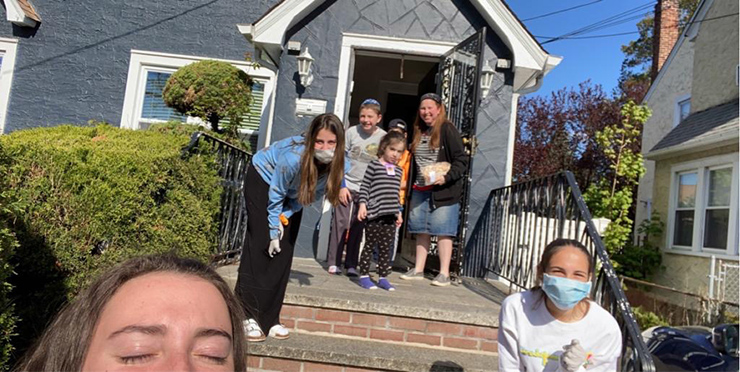
The young woman at the door is just out of high school, one of dozens of bnot sherut leumi – National Service volunteers – who have become a powerful force in homes shattered by the Swords of Iron War.
An Unprecedented Expansion
Before the war, OneFamily – Israel’s national organization supporting bereaved families and victims of terror and war – ran a small Bnot Sherut program with only 3-4 participating volunteers. After October 7, everything changed.
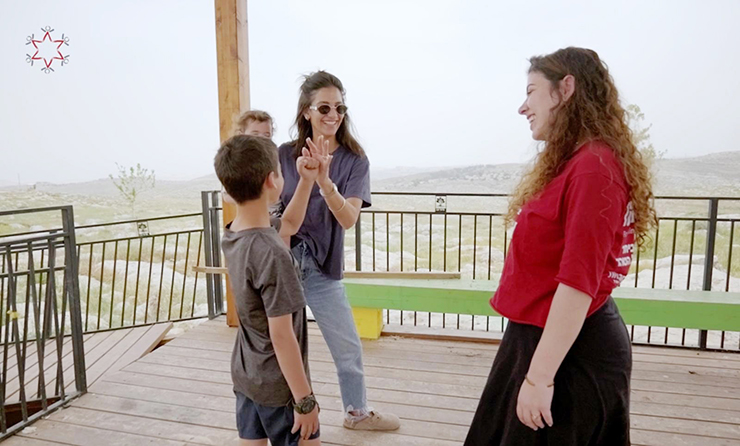
The program quickly expanded to 17 bnot sherut in one year. This year, 40 young women are serving 90–100 families across Israel. They work with widowed parents suddenly raising children alone, and with families where children have been orphaned of both parents.
“It is a profound source of pride for us to welcome so many exceptional young women who are doing their national service into the OneFamily family,” said Chantal Belzberg, Founding Director. “They stand at the heart of our work, bringing sensitivity, warmth, and unwavering dedication to families carrying unimaginable loss: bereaved parents, siblings, widows and widowers, wounded survivors, and children whose lives were shattered, including children whose parents were murdered together.”
The Gift of Time – and Air
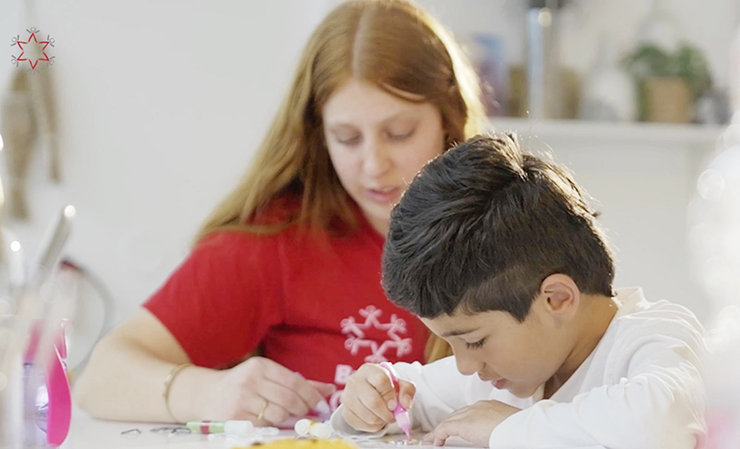
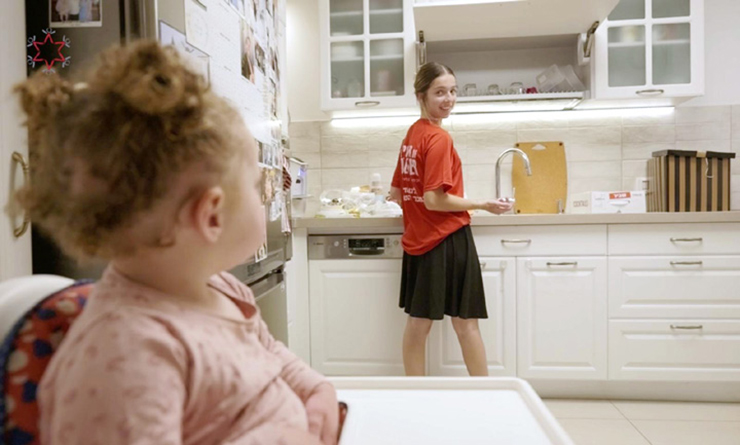
The work of a bat sherut is often simple and practical – and that is exactly why it is so powerful. They pick up children, help with homework, prepare dinner, bathe toddlers, and read bedtime stories so a mother can shower in peace, get to a doctor’s appointment, or simply sit with a hot cup of coffee knowing her children are safe.
Einav (not her real name), a young widow whose husband fell in Gaza, had not seen a doctor in two years because she could not leave her children. Once her bat sherut began coming regularly, she finally booked an appointment.
“She gives me air,” one mother said. “I can sit on the couch with a hot cup of coffee, and I know my kids are in good hands. It’s peace of mind.”
Program coordinator Shuli Schwartz Reznikovich has watched the program transform over the past two years. “The primary thing we’re looking for is stability,” she says – something each bat sherut provides simply by showing up, week after week, in homes that have lost their center.
Letting Help In
Accepting help, however, is not always easy. Many widows feel a powerful instinct to protect the home, close ranks, and keep going without leaning on anyone.
“Rutie” (not her real name) refused help for an entire year after losing her husband in Gaza. When she finally agreed to let a bat sherut into her home, that first evening marked a turning point: with the bat sherut caring for her younger child, she was able to give her nine-year-old daughter a calm, unhurried bedtime and the reassurance she needed.
Many mothers who begin hesitantly soon discover that these young women become part of the family.
Walking Families Through the Hardest Transitions
The presence of a bat sherut is especially vital during major transitions that feel impossible to handle alone. Moving to a new home is exhausting; after a loss, every decision is loaded with memory. One bat sherut packed the kitchen herself, knowing that room was too painful for the young widow to face, and then stood beside her at the closet full of the husband’s clothes as they tackled together the difficult question: “How much longer do we keep his things?”
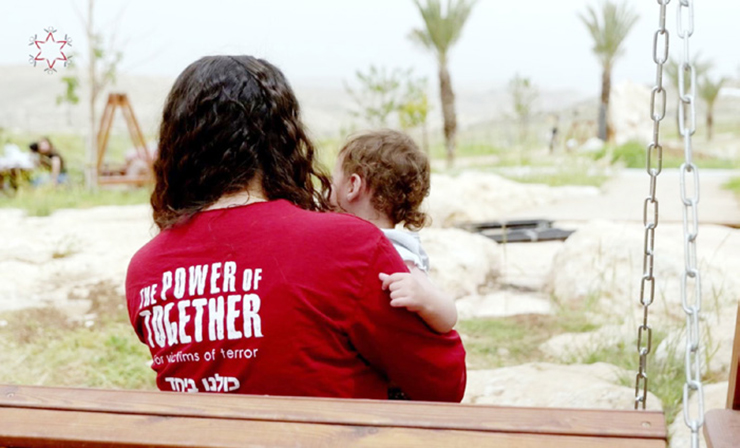
In other homes, bnot sherut step into roles that fathers once filled, gently teaching children everyday skills their fathers used to guide them through. These may be small acts on the surface, but inside the home, they represent continuity, dignity, and care.
“Mourning Someone You Never Knew”
Being so deeply involved with families living through raw grief would challenge any seasoned professional. For 18- and 19-year-olds, it is both a privilege and a heavy emotional burden.
“You connect emotionally to the kids and the family and become very involved. It’s totally heartbreaking,” says S., a bat sherut in her second year with the same widow and her three young children. “You are mourning someone you never knew.”
To protect and sustain these young women, OneFamily provides regular supervision, group support, and individual counseling whenever needed.
A Growing Need – and a Response of the Heart
The rapid expansion from a handful of bnot sherut to 40 serving nearly 100 families reflects the painful reality Israel faces today: a surge of war widows and orphans, including children left without both parents.
In Hebrew, the words for “breath” and “soul” share the same root: neshama. When widows say that their bat sherut “gives them air,” they are talking about more than practical help. They are describing something that touches the soul – the ability to breathe again, to feel their lives expand beyond the constriction of grief.
OneFamily reminds the bnot sherut that they are an essential part of the nation’s healing. “Their presence strengthens our ability to care for each family with compassion, professionalism, and deep humanity,” said OneFamily Founder Chantal Belzberg. “The young women who choose to serve with OneFamily truly represent the very best of national service in Israel.”
For over 24 years, OneFamily has served as Israel’s national organization supporting bereaved families, victims of terror, and survivors of war and violence. Since October 7, they have worked day and night to reach every affected family – including newly orphaned children whose parents were murdered together – offering emotional, therapeutic, and practical support to ease, even slightly, the immense pain of those who have sacrificed the most.
To contact OneFamily Fund, reach out to Naomi Nussbaum at (646) 289 8600.