
Four Jewish bar associations are demanding representation after City Hall named a 19-member judicial advisory panel with no Jewish members
New York City has no shortage of accomplished Jewish lawyers, judges, prosecutors, public defenders, professors, and legal advocates. Yet Mayor Zohran Mamdani’s administration completed a powerful judicial advisory committee without a single Jewish member whom four leading Jewish bar associations could identify.
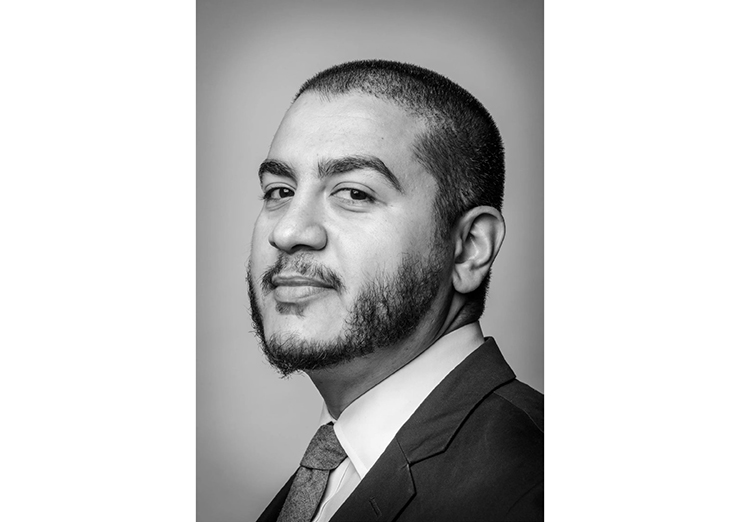
City Hall announced 18 appointees to the Mayor’s Advisory Committee on the Judiciary on July 22. Together with Chairman Ali Najmi, appointed in January, they form the full 19-member panel.
Mamdani said the committee would help ensure that the judicial system “reflects the city it serves.” Chief Counsel Ramzi Kassem called its members a “truly representative cross-section” of New York City’s legal profession.
For Jewish New Yorkers, those claims now ring hollow.
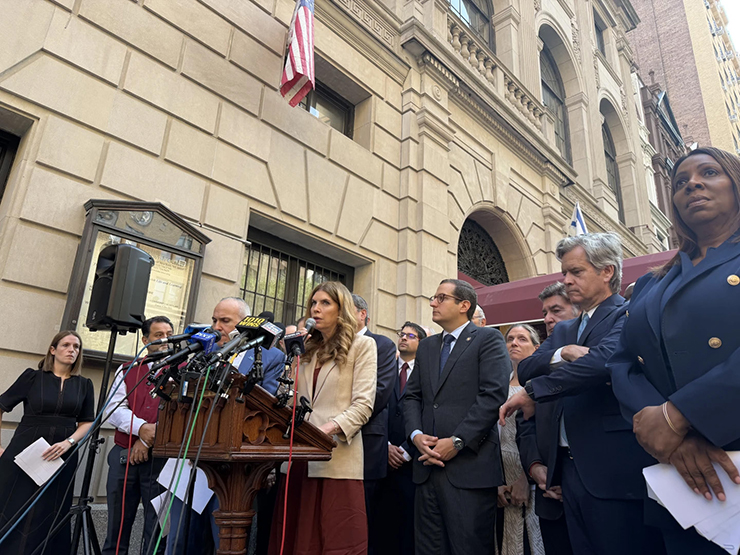
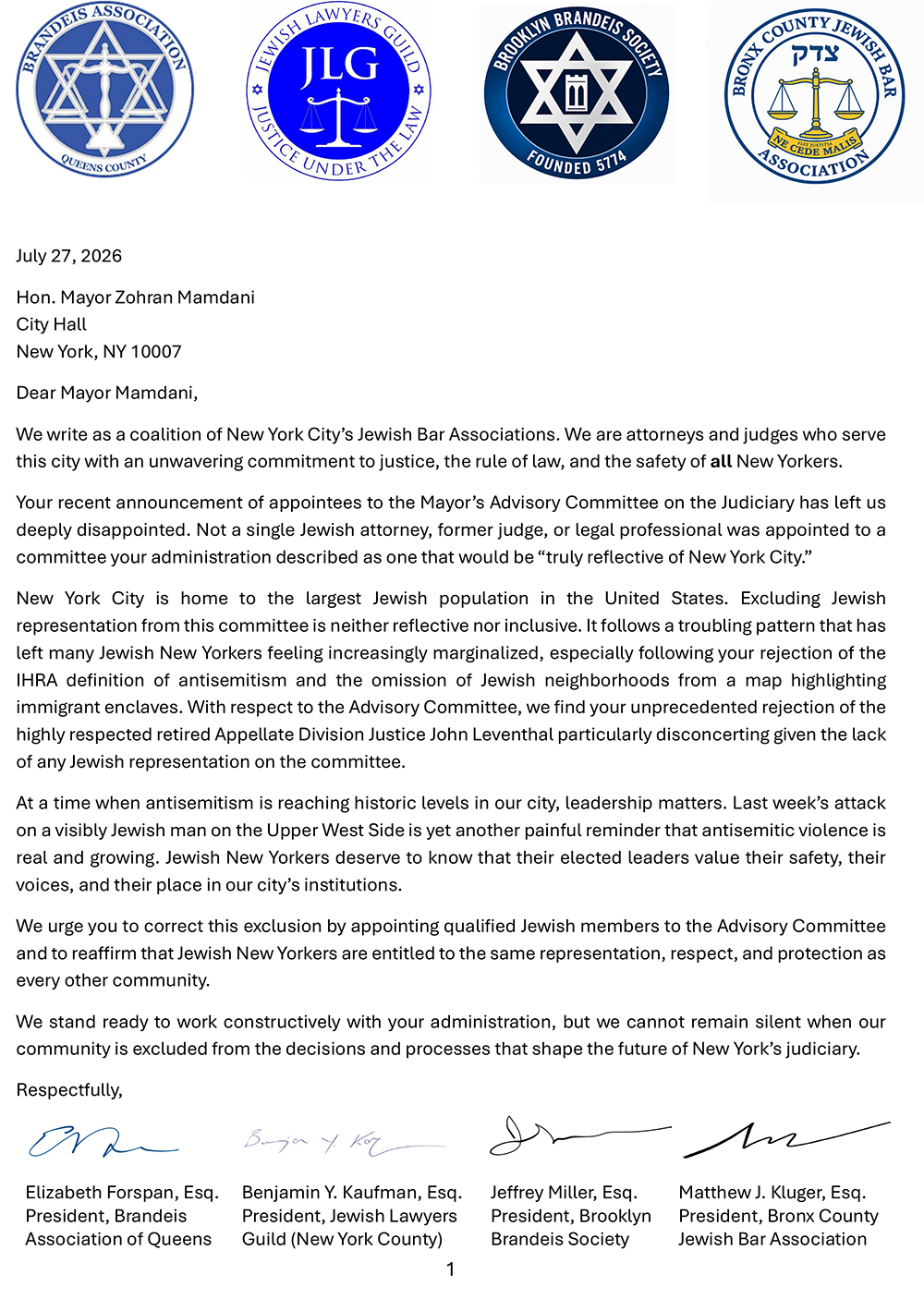
The Brandeis Association of Queens, Jewish Lawyers Guild of New York County, Brooklyn Brandeis Society, and Bronx County Jewish Bar Association sent Mamdani a joint letter on July 27 expressing their “deep disappointment.”
“Not a single Jewish attorney, former judge, or legal professional was appointed to a committee your administration described as one that would be ‘truly reflective of New York City,’” they wrote.
This is not a ceremonial commission. The committee evaluates judicial candidates and recommends those it considers qualified for appointment or reappointment. Its work affects Criminal Court and Family Court judgeships, as well as interim Civil Court vacancies.
Those judges may preside over hate crimes, domestic violence, child protection, foster care, custody disputes, and other cases involving vulnerable New Yorkers. The committee expects to issue its first recommendations by the beginning of October.
Mamdani’s own executive order makes the omission harder to explain. It requires the committee to reflect the breadth of the legal profession and New York City’s “cosmopolitan population,” specifically listing creed among the relevant characteristics. It also directs the chairman to engage bar associations and affinity bar associations to broaden participation.
City Hall therefore committed itself to the very kind of representation now being questioned.
Although some members were nominated by outside officials, every member is formally appointed by the mayor and serves at his pleasure. The mayor may also reject outside nominees.
That authority is central to the controversy involving retired Appellate Division Justice John Leventhal.
Chief Judge Rowan Wilson nominated Leventhal, who had previously served on the committee. The Mamdani administration declined to approve him and later said the decision was based on his work on Ghislaine Maxwell’s appellate legal team, not his religion.
City Hall has the right to vet committee members carefully. But a lawyer is not an extension of the client. Representing a notorious defendant does not amount to endorsing that person’s conduct.
That principle is especially relevant because Kassem, before becoming Mamdani’s chief counsel, represented Ahmed al-Darbi, a Guantánamo Bay detainee who pleaded guilty to terrorism-related offenses.
Kassem’s representation should not be interpreted as support for terrorism. It was legal work performed by a defense attorney. The same standard should apply to Leventhal.
The contrast leaves City Hall open to an apparent double standard: One lawyer’s representation of a man accused of grave offenses did not prevent him from becoming a leading mayoral adviser, while another lawyer’s representation of an infamous defendant was cited to exclude a retired appellate justice from a committee devoted to fairness and the rule of law.
Even accepting City Hall’s objection to Leventhal, rejecting one nominee does not explain how the entire panel ended up without a recognized Jewish legal voice.
New York has an enormous pool of qualified Jewish former judges, prosecutors, public defenders, family-law practitioners, professors, and private attorneys. The administration has not explained why none was selected.
The panel also marks a break from its recent composition. Several Jewish lawyers and former judges served under former Mayor Eric Adams. None is serving on Mamdani’s reconstituted committee.
This is not a demand that every government body be divided according to a rigid religious formula. Nor should anyone assign a religion to a committee member based on a surname, photograph, or résumé.
The concern comes from four established organizations representing Jewish lawyers. They reviewed a panel advertised as reflective of New York and said they could not identify a single Jewish legal professional among its members.
City Hall did not answer that concern by identifying a Jewish member. Press Secretary Joe Calvello instead pointed to Mamdani’s appointment of Jewish judges and said any suggestion that the committee’s composition was motivated by religion was false.
But appointing Jewish judges does not explain how the body controlling the nomination process ended up without a Jewish voice.
The bar associations do not need to prove intentional discrimination to raise a legitimate objection. If the exclusion was an oversight, City Hall can admit and correct it. If particular candidates were rejected, the administration can explain why it did not choose any of the many others available.
The groups urged Mamdani to appoint qualified Jewish members and reaffirm that Jewish New Yorkers are entitled to the same representation, respect, and protection afforded to every other community.
The request is reasonable, especially since the committee has not yet issued its first recommendations. The mayor controls the appointments and can change the panel’s composition.
The administration called the committee inclusive, transparent, and reflective of New York. Those standards were not imposed by Jewish organizations. They were City Hall’s own promises.
In a city filled with accomplished Jewish lawyers, Mamdani’s administration cannot credibly call a 19-member judiciary committee with no recognized Jewish representative a “truly representative cross-section” of the profession.
The mayor should correct the exclusion before the panel begins deciding who is qualified to dispense justice to everyone else.