A Ride Into The Future
Have you ever ridden in a driverless car?
 Queens Jewish Link
Connecting the Queens Jewish Community
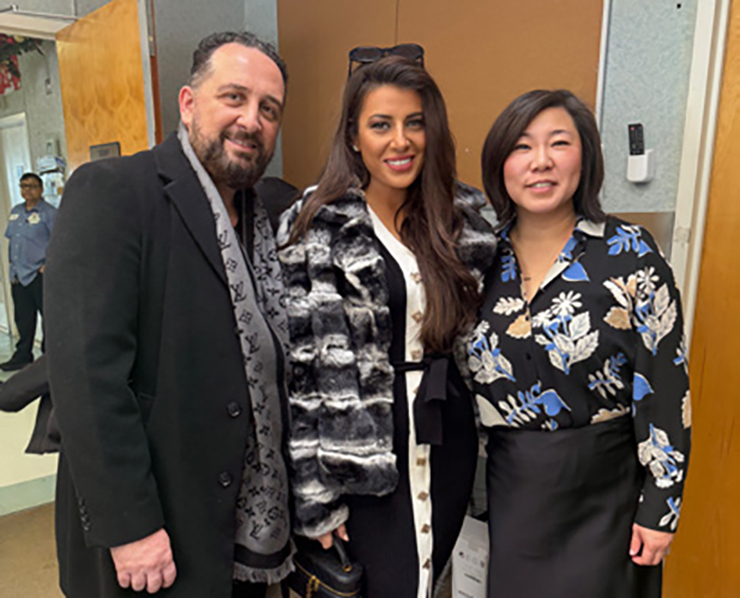
As Chanukah approached, celebrations across Queens carried a gravity that extended far beyond annual tradition, unfolding amid a sharp rise in antisemitism and recent global attacks on Jewish communities. Menorah lightings and communal gatherings became statements of resilience and solidarity at a time when Jewish visibility itself had taken on heightened meaning.

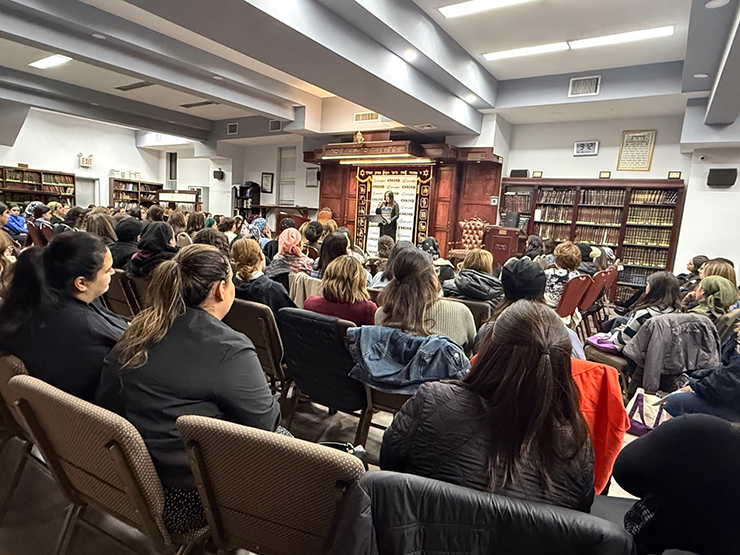
The KTT Youth Department’s annual Chanukah event, held at KTT in the YCQ Jr. High multipurpose room, brought parents and children together for a celebration that was both festive and communal.
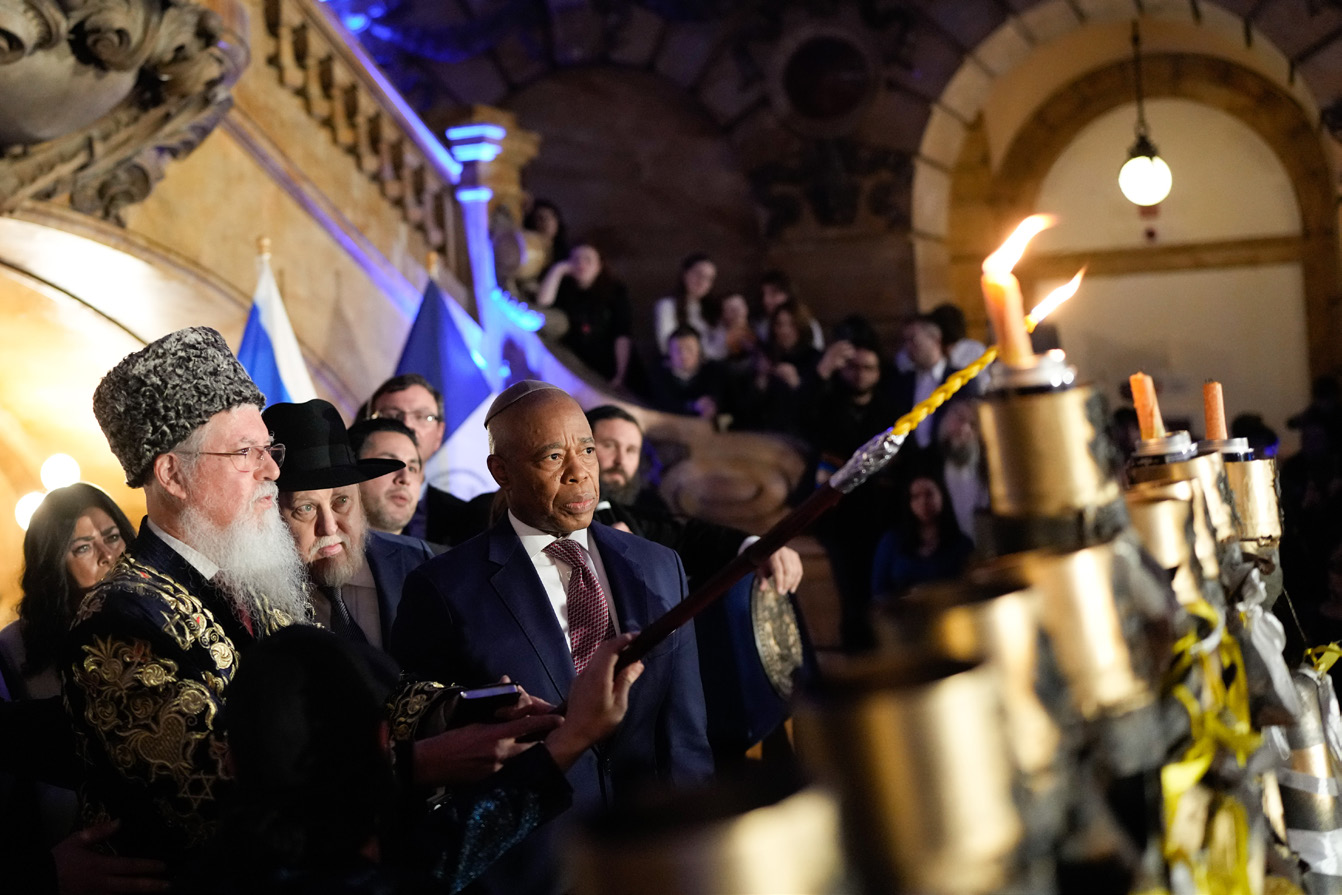
The Chanukah program held at New York County Surrogate’s Courthouse in Manhattan last Tuesday marked the arrival of a powerful symbol that has traveled from Israel to New York over the past year. At the center of the evening was the Chanukiah of Hope, created by Israeli artist Eli Gross. The menorah is constructed from fragments of missiles and projectiles fired at Israel, repurposed into a ritual object that reflects Jewish resilience and continuity in the face of war.

This past Motza’ei Shabbos, families gathered in the gymnasium of The Queens Cheder in Jamaica Estates, where an evening of inspiration was about to unfold. Behind the head table hung a banner featuring the Cheder’s emblem and imagery of the campus, grounding the event in the legacy of what had been built—and what continues to grow.

For the first time in its history, Queens Hospital Center held a public Chanukah menorah lighting inside the hospital, drawing a packed crowd of staff, administrators, community leaders, clergy, and elected officials. The gathering was notable not for ceremony, but for context: a public institution making visible space for Jewish life at a moment when many feel increasingly unseen.
On Monday afternoon, children in small velvet yarmulkes spun dreidels on the tables of the New York State Executive Mansion in Albany, surrounded by Jewish leaders, activists, and state officials who had traveled from across New York for Governor Kathy Hochul’s annual Pre-Chanukah celebration.