
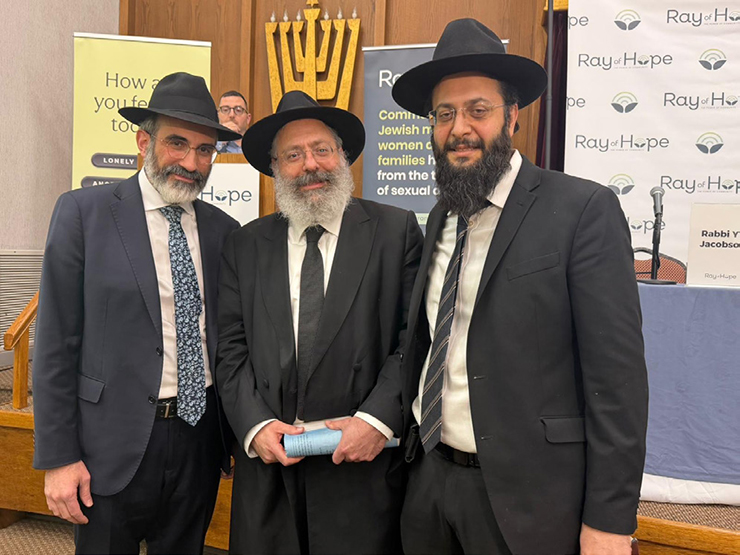
Around 200 community members filled the Young Israel of Queens Valley (YIQV) main sanctuary in Kew Gardens Hills this past Sunday evening, February 15. The Ray of Hope program brought together rabbanim, mental health professionals, educators, and community leaders for an open conversation addressing mental health, trauma, and healing within the Orthodox Jewish community.
For many in attendance, the evening reflected a growing recognition within Queens’ Orthodox community that conversations once held quietly or avoided altogether are now being addressed openly and collectively.
The program was emceed by Shimmy Idels, who welcomed attendees and introduced Rabbi Yaniv Meirov, CEO of Chazaq, to open the evening with divrei chizuk.
Citing the Torah’s command not to stand idly by when another person is in danger, Rabbi Meirov framed the discussion through a Torah perspective, emphasizing that while communities instinctively mobilize to respond to physical danger, emotional and psychological suffering demands the same urgency and communal responsibility. Just as organizations like Hatzalah respond immediately to bodily danger, unseen emotional pain must also be met with compassion, awareness, and action.
Shimmy Idels then introduced Zeldy Broyde, founder of Ray of Hope. Sharing reflections on the organization’s origins, she described the loneliness and confusion often experienced by survivors of abuse and the absence of communal resources that once left many struggling in silence. Broyde noted that the Queens program itself emerged after community members approached Ray of Hope seeking greater local awareness and support around mental health and trauma.
The organization’s growth reflects years of quiet groundwork within the community. In early 2019, while working at Chazaq, this writer attended a meeting with Broyde together with Chazaq operations manager Robbie Aboff to discuss how communal support systems could be developed for survivors of abuse – conversations that would later evolve into the expanding network of services Ray of Hope provides today.
Founded six years ago, Ray of Hope now supports close to a thousand individuals and families affected directly or indirectly by trauma through group support, Shabbatonim, educational programming, and ongoing outreach designed to restore dignity and connection.
The keynote address was delivered by Rabbi Yosef Yitzchak Jacobson, who spoke about emotional pain, authenticity, and the spiritual dimension of healing, encouraging attendees to move beyond external appearances and confront internal struggles honestly. Rabbi Jacobson stressed that emotional suffering must not be hidden behind stigma or silence. Drawing on Torah teachings and personal reflection, Rabbi Jacobson described healing as a process rooted in truthfulness, vulnerability, and recognizing the inherent dignity of every individual.
Addressing those who struggle with faith following trauma, Rabbi Jacobson emphasized that spiritual growth cannot occur where pain is ignored. Rebuilding a relationship with Hashem often begins when individuals allow themselves to acknowledge brokenness without shame and rediscover an inner spiritual resilience that remains intact even after profound hardship.
Following the keynote, Rabbi Eli Portal, LMSW, Outreach and Partnership Coordinator at Ohel Children’s Home and Family Services, addressed the audience and announced the opening of a new Ohel mental health clinic in Queens, located on 164th Street off of Union Turnpike. The facility will provide therapy, psychiatric services, and developmental disability programming designed to meet the growing needs of the local Jewish community. Services are expected to begin shortly after Pesach, expanding access to professional mental health support within Queens.
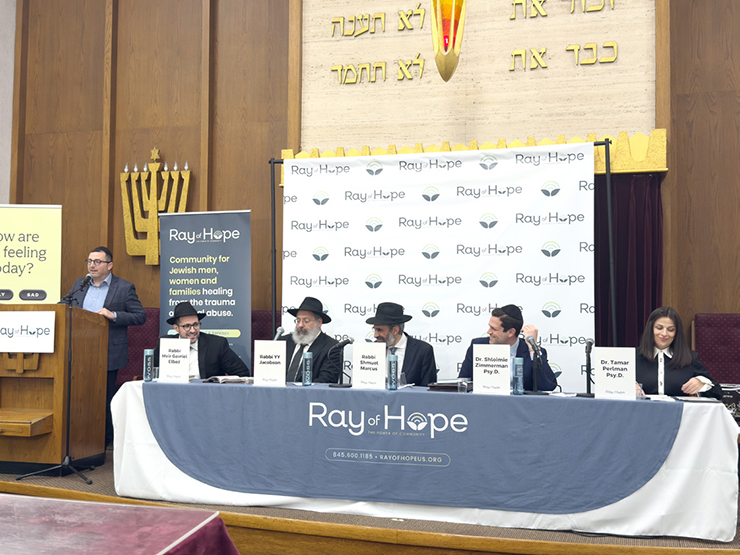
The evening then transitioned into a moderated panel led by Rabbi Meir Gavriel Elbaz, Rav of Ohel Simcha in Kew Gardens Hills and maggid shiur at Lander College for Men. Panelists included Rabbi Shmuel Marcus, Rav of YIQV; Dr. Shloimie Zimmerman, PsyD, a licensed clinical psychologist specializing in adolescent development; and Dr. Tamar Perlman, PsyD, a clinical psychologist specializing in trauma and couples therapy.
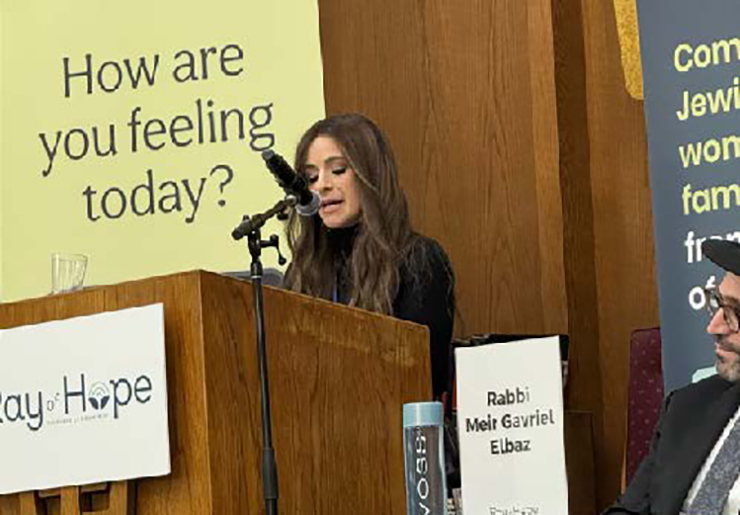
Rabbi Marcus addressed the challenges facing parents navigating adolescence and dating, emphasizing the balance between guidance and independence. Healthy relationships, Rabbi Marcus explained, are built through trust developed early in childhood, allowing young adults to feel safe seeking parental guidance later in life. He highlighted the importance of shared values, emotional maturity, and character development as essential foundations for successful relationships.
Dr. Zimmerman focused on prevention and education, explaining that conversations about personal safety and emotional health should be framed through strength rather than fear. Children benefit most when parents communicate confidence and openness, creating environments where difficult subjects can be discussed naturally and without stigma.
Addressing trauma and healing within relationships, Dr. Perlman spoke about the power of chosen connection and emotional growth within marriage. He explained that even individuals carrying difficult personal histories can build deeply meaningful relationships when partners commit to understanding one another and choosing connection over emotional withdrawal. Healing often emerges through vulnerability and the willingness to grow together despite past wounds.
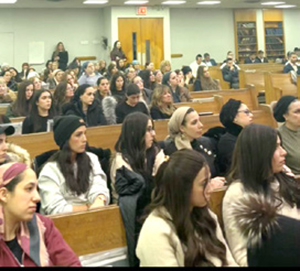
As the program concluded, Rabbi Elbaz reflected on Torah teachings that encourage confronting hardship rather than avoiding it, framing healing as an active process of rebuilding from pain toward renewal. Broyde acknowledged the growing need for conversations like this within the community, as attendees lingered afterward to continue discussions with presenters and one another following an evening that brought difficult but necessary conversations into the open.
The evening was made possible through the support of Achiezer, Amudim, Brighter Day Health, Chazaq, Dovi and Devorah Elias, Emet, Hill Valley, Ohel Children’s Home and Family Services, and Renue Wellness (Ketamine Infusion Therapy & Spravato Treatment), along with Meaningful Minute and Behind the Faces for livestreaming the event.