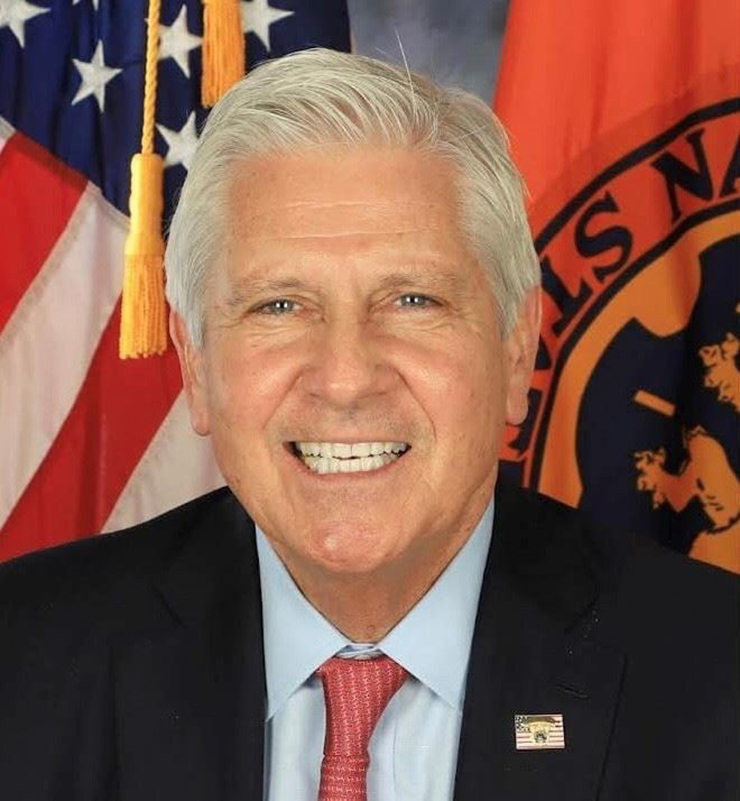

At 8:48 a.m., Rabbi Mechel Handler was beside the base station in Hatzolah’s Brooklyn office when the radio came alive with a report of debris falling from the World Trade Center.
Handler called Manhattan coordinators Heshy Jacob and David Shipper and told them to head downtown. Both were already on their way.
A Hatzolah ambulance stationed on Wall Street was among the first emergency ambulances to reach the disaster site. More ambulances followed, along with additional volunteers, paramedics, EMTs, physicians, and coordinators.
Contemporary reporting eventually put the Hatzolah response at approximately 200 medics. They transported 133 victims to hospitals and treated dozens more at the scene.
The individuals briefly profiled below survived 9/11 and are included here for their roles in the response. They represent only a small sampling of the many Hatzolah members who answered the call that morning.
They had no way of knowing that the dust settling on their clothes, filling their ambulances, and entering their lungs would become another part of the 9/11 story.
Richie “Yechiel” Taylor
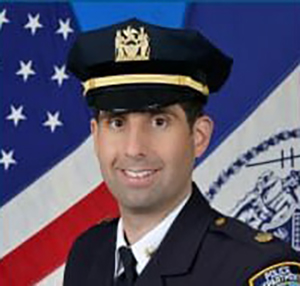
Richie Taylor was just 18 years old and serving as a Queens Hatzolah EMT when he became one of the early responders to the World Trade Center, arriving while the towers were still standing. In the hours after the attacks, Taylor worked from a Hatzolah command post near Ground Zero, where many of the people coming to him were dazed and exhausted FDNY members grieving colleagues they had just lost. He flushed dust and debris from their eyes with sterile water, gave them fluids, and, just as importantly, stayed with them and listened. Taylor would later describe much of what he provided that day as “psychological first aid.”
The experience fit a path Taylor had already chosen remarkably young. He had become an NYPD Police Explorer at 15 and joined Hatzolah at 18, drawn to being the person who could provide care and compassion at someone’s most critical moment. Four years after 9/11, he joined the NYPD and eventually rose to Deputy Chief, becoming the highest-ranking Orthodox Jew in the department’s history to regularly wear a yarmulke in uniform.
Rabbi Mechel Handler
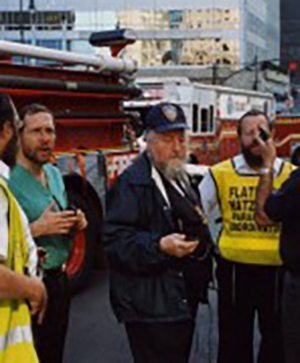
Rabbi Mechel Handler, then administrator of Chevrah Hatzalah, helped coordinate the response as towers collapsed, communications failed, emergency vehicles were destroyed, and Lower Manhattan disappeared into dust.
His firsthand account chronicled in Jewish Action magazine preserves the confusion of a disaster whose scale no one yet understood.
There was no established playbook for what was happening. There were people who needed help, and Hatzolah responded.
Heshy Jacob
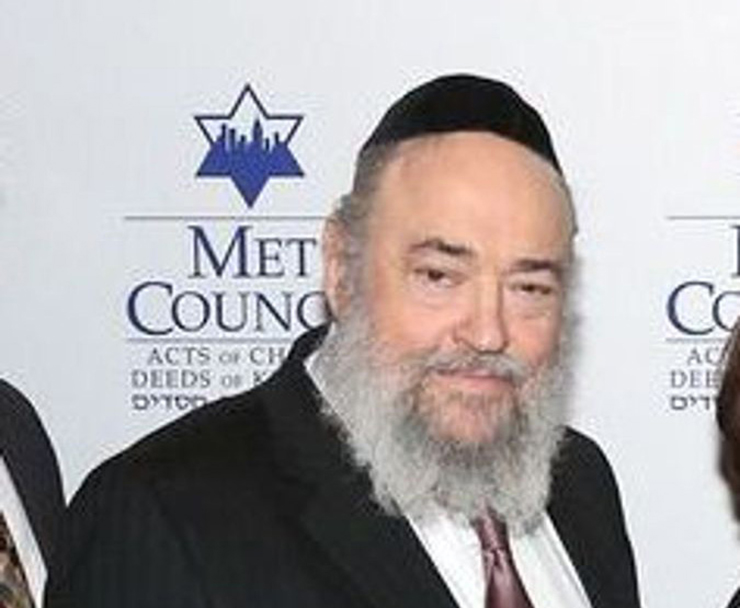
Heshy Jacob, a longtime Lower East Side Hatzolah leader, was preparing to leave for morning davening when his son told him that a plane had struck the World Trade Center. Minutes later, Jacob was heading downtown in an ambulance. He remained in Lower Manhattan until around midnight, leaving only to transport a patient suffering heart-attack symptoms to Beth Israel and to clean the dust and debris that had filled his ambulance after one of the towers collapsed. He then returned downtown. The following day, he went back to Ground Zero looking for people to help.
Rabbi Edgar Gluck
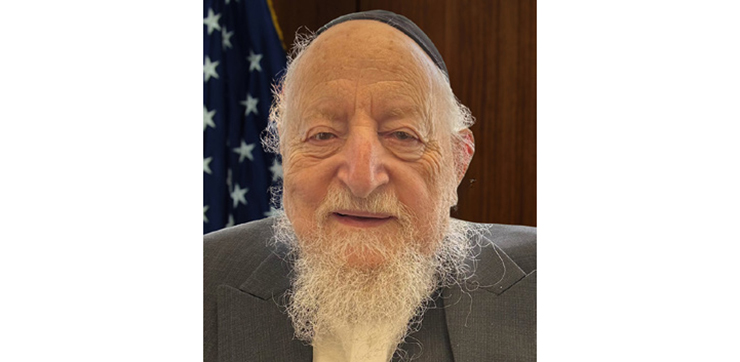
Rabbi Edgar Gluck, Hatzolah’s statewide coordinator, was among the organization’s senior leaders involved in the response as the ordinary structures of emergency medicine were overwhelmed.
Dr. Richard “Richy” Friedman
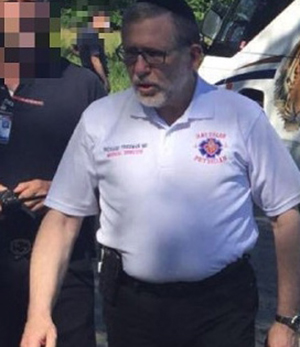
Dr. Richard Friedman, Hatzolah’s medical director, was among the physicians mobilized alongside the organization’s EMTs and paramedics.
Moshe Wulliger
Moshe Wulliger, a Hatzolah coordinator, was involved in the emergency response and its logistics.
They worked in an environment where breathing the air itself would later prove dangerous. At the time, no one working in that dust knew what the exposure might mean years later.
David Shipper
David Shipper, a Manhattan Hatzolah coordinator, was already heading toward the World Trade Center when Handler tried to dispatch him there.
The call telling him to go came after he had already decided to respond.