Two Screens, One Choice: The Lie Of ‘NAZA’ And The Truth Of ‘Fauda’
While a libelous Israeli film was rewarded in Venice with a jury prize and a standing ovation, the...
 Queens Jewish Link
Connecting the Queens Jewish Community
While a libelous Israeli film was rewarded in Venice with a jury prize and a standing ovation, the...

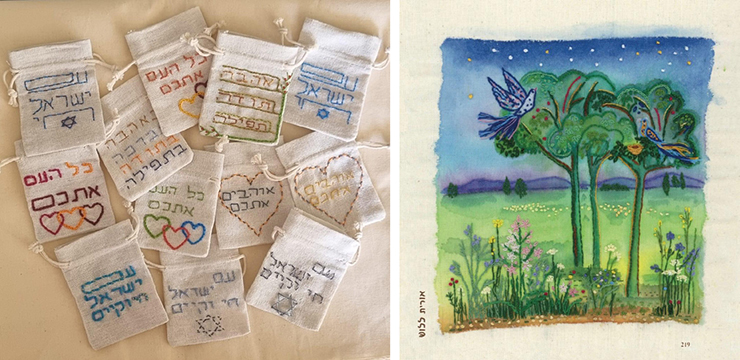
Five-year-old Meirav Shaked was walking down the street with her cousins during a visit to their grandmother’s home when she heard beautiful singing drifting from a nearby building. The melody touched her soul, carrying a deep sense of holiness. It was only years later that Meirav realized that what she had heard that day was actually the sound of t’filah.
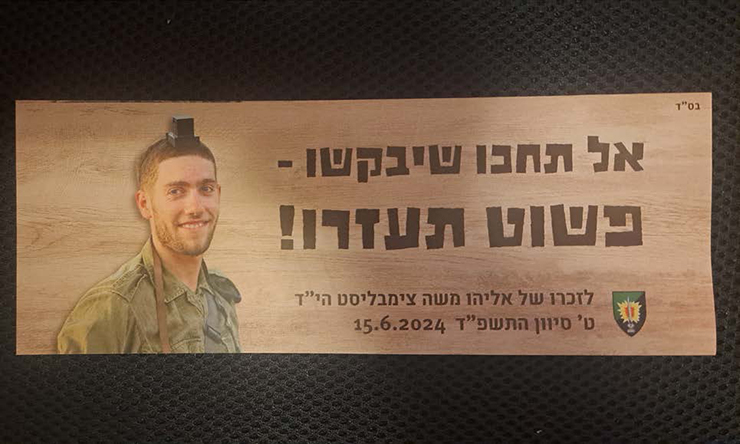
The one-minute siren wailed loud and clear at the start of Yom HaZikaron. However, this year’s siren came with a sobering clarification: In the case of a real event – if, chas v’shalom, a missile were launched toward us – the sound would be modified to oscillate up and down. In the end, the mournful siren pierced the night in a steady, haunting fashion, as it always does.
Our son and daughter-in-law welcomed a beautiful baby boy into the family the week before Pesach. Mazal Tov! We were thrilled to be blessed with a new grandchild and to hear good news, especially during this unusual time. But after trying to stay as close to home as possible for the duration of the war, I realized I would now have to venture far beyond my comfort zone.

More than 1,200 residents of Beit Shemesh are currently living in hotels in Yerushalayim after a tragic missile attack. Evacuations like this are not new to Israel; families from the north and south have been moved to the center of the country on several occasions. But this time, it is the residents of Beit Shemesh—who once hosted evacuees from other areas—who have had to leave their homes. The Beit Shemesh municipality is doing its utmost to support the evacuees, as well as the city’s remaining residents, during this challenging time.

Buzz! Buzz! The 8:15 a.m. warning seemed longer this time – and louder. Not exactly what I remembered from the previous war with Iran, but the message was clear. Go! Fast!
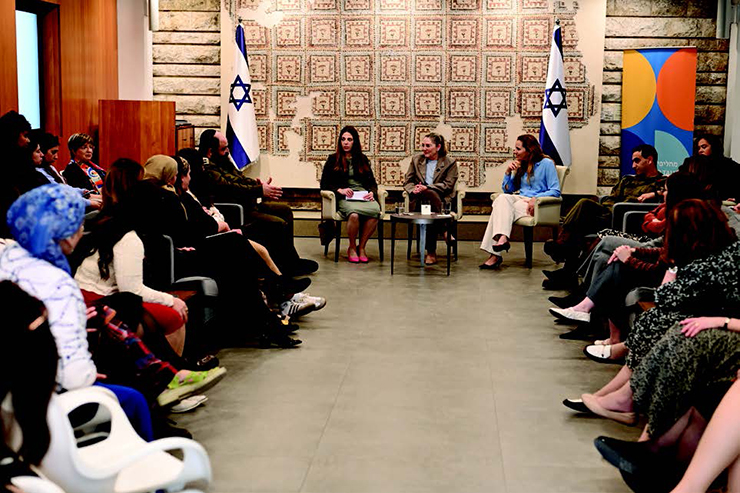
Osot Chayil, an organization that supports chareidi women whose family members have joined the army, continues to encourage those who turn to it. This week, they invited me to join them for a Day of Appreciation with Michal Herzog, wife of President Isaac Herzog.