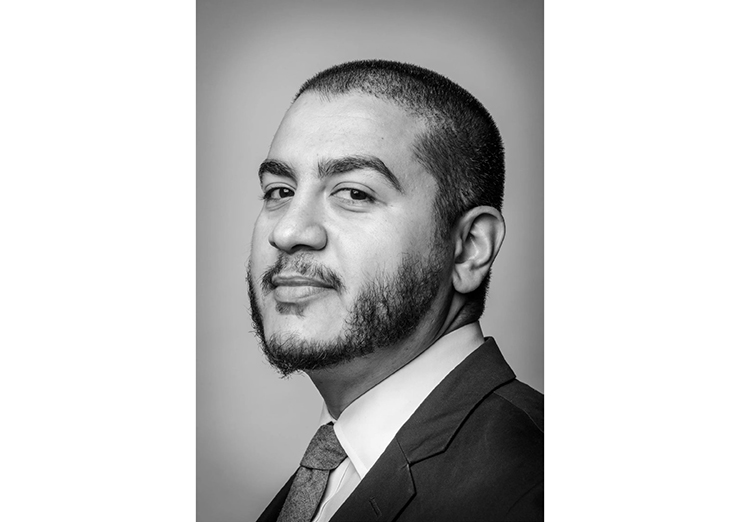
In the heated Michigan U.S. Senate Democratic primary, the endorsement of Dr. Abdul El-Sayed by Senator Elizabeth Warren—joining Bernie Sanders and Rep. Alexandria Ocasio-Cortez—spotlights a party that has veered dramatically from where it was 20 years ago. El-Sayed, a terrorist sympathizer who mourned the death of Ayatollah Khamenei and criticized his rival for condemning political violence, is indicative of a national trend that Democrats have followed in the past few years.
There has been a false narrative that the Republican Party has radically changed from where it stood prior to President Trump and has become unrecognizable. Basic scrutiny of Republican policies from 2000 to today crumbles that assertion. Republicans have held steady—even moving left on some social issues—while Democrats have been transformed by radical forces.
The 2000 Republican Platform prioritized secure borders, life, strength abroad, and fiscal sanity. Immigration enforcement aligned with Clinton-era reforms like IIRIRA, stressing legal pathways alongside deterrence. Pro-life commitments defended human dignity. Foreign policy championed military readiness and peace through strength. Tax relief and spending restraint fueled growth.
Today’s GOP echoes these positions: border security, pro-life stances, robust defense, and economic conservatism. Adaptations respond to voter realities without abandoning foundations. Democrats like Barack Obama had the same position on issues like gay marriage in 2008 that John McCain did, a position that Obama completely abandoned and reversed by the 2012 election. Republicans simply stopped talking about it because they realized that the defense of traditional marriage was a political loser. They did not double down and move further to the conservative right, nor were they ideologically captured by those who wanted them to. The same is true for a variety of other issues. When Democrats were being pushed to the left, they went that way. Republicans stayed mostly consistent, much to the dismay of many conservatives.
The 2000 Democratic Platform under Clinton-Gore looks like a Trump-Vance platform today: fiscal discipline, targeted middle-class relief, welfare reform success, crime reduction, and pragmatic immigration enforcement. The Democratic Party of today wants none of these things. Democrats spend more, ignore the middle class in favor of homeless encampments and illegal migrants, actively fight against fraud investigations into the welfare system, celebrate criminals (see Zohran Mamdani partying with inmates on Rikers Island for the World Cup), and call to abolish ICE and open the borders.
In Michigan, this is playing out vividly. Warren, Sanders, and AOC’s backing of El-Sayed—a candidate pushing all of the most radical policies, not the least of which is a complete severance of ties between the United States and Israel—over Haley Stevens signals the left’s preference for radical ideology over a middle-of-the-road Democrat. Stevens is not even center-left by traditional standards. Her GovTrack score puts her on the far left by 2000 standards but makes her a moderate by today’s standards.
This is why certain prominent political departures from each party are incredible examples of where each party stands. Tucker Carlson claimed several weeks ago that he was leaving the Republican Party. His reasoning was that the party was “not loyal to the United States” and “puts the interest of a foreign country (Israel) above those of its own citizens.” Can anyone honestly claim that the Republican Party’s position on Israel has shifted in the last few decades? Or was it Tucker who changed?
Let’s compare that to another noted departure this past weekend—Bill Maher. Maher recently said he’s “out” on the Democrats, claiming that the party has been taken over by radicals, and said, “When we’re cheering for the Intifada, I’m out.” That makes it sound like it’s not Maher who changed, but the Democrats themselves.
Two noted commentators on opposite sides are both leaving the political parties they supported, and that can tell us a lot about the state of politics in the country today. Yes, the Republican Party may be flawed and may have its issues with governance and coalition-building, but it is still recognizable. The Democrats, however, have become completely deranged, moving further and further left with each candidate they push toward the front of the line. Abdul El-Sayed in Michigan is simply the latest example, and he won’t be the last.
Moshe Hill is a political analyst and columnist. His work can be found at www.aHillwithaView.com and on X at @HillWithView.