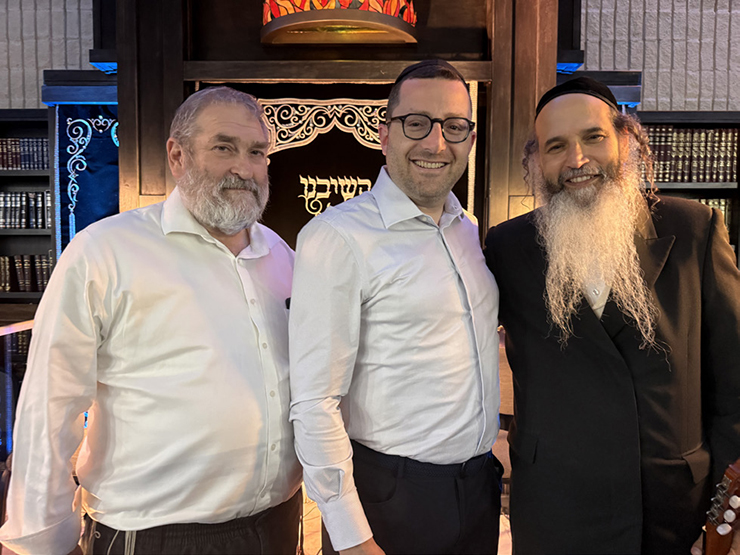
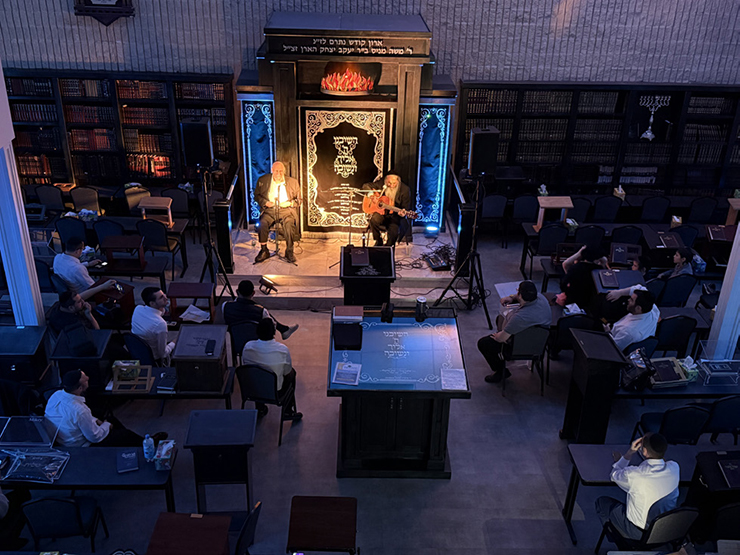
In a world that often fixates on what is broken in our lives, the beis midrash at Hashevaynu in Kew Gardens Hills offered a different perspective on Sunday evening, June 7: No situation is beyond repair.
The evening was held l’ilui nishmas Mordechai Tzvi (Moti) Kest z”l, whose life was marked by chesed, Torah, and service to others. Sponsored by his cousin Shimmy Idels and his wife, Sorolle, the event honored a man whose legacy continues to inspire. Moti, a longtime Los Angeles resident, was a volunteer EMT with Hatzalah, active with Magen Am and Bike 4 Chai, and a pillar of his community. He was deeply committed to Torah study, completing Shas during his lifetime, while his love for nigunim remained a source of strength even during the illness that preceded his passing. His memory became the heartbeat of an evening focused on growth, hope, and the reality that every Yid can always begin again.
The program featured Reb Chaim Kramer, longtime director of the Breslov Research Institute, and the musician Reb Yosef Karduner of Beit Shemesh. Throughout the night, they returned to one of Rebbe Nachman’s most famous teachings: “It is a great mitzvah to always be happy.” They framed this not as a fleeting emotion, but as a discipline: a way of life rooted in the conviction that change is always possible.
“If you believe you can destroy, believe you can repair,” Reb Chaim said, challenging the audience to stop letting past mistakes dictate their future. Drawing on the halachos of kashrus, Reb Chaim explained that milk represents the blessings we receive directly from Hashem, while meat represents the aspects of life that require effort, preparation, and personal investment. A person must do his part while recognizing that the outcome remains in Hashem’s hands.
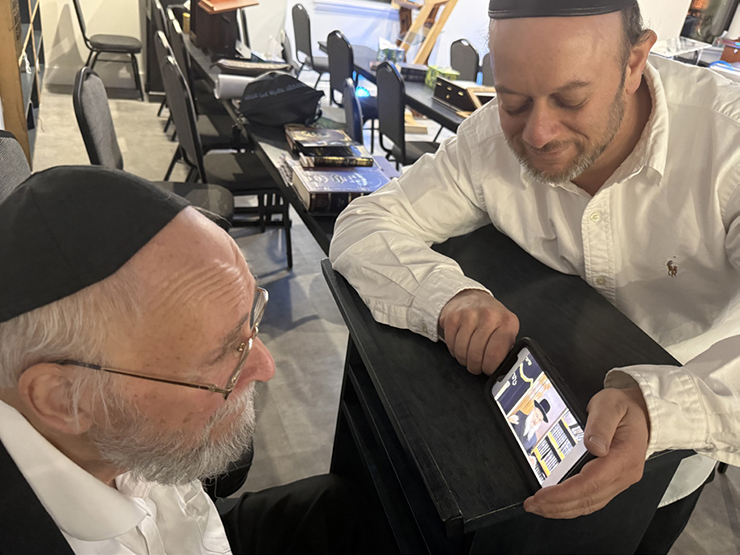
The idea of repair serves as the bedrock of emunah. Reb Chaim explained faith as a four-legged stool: belief in Hashem, the Torah, true tzadikim, and oneself. While the first three are often embraced, Reb Chaim noted that many struggle to truly believe in their own potential. Yet without that final pillar, a person’s emunah remains incomplete.
Connecting this idea to Sh’ma Yisrael, Reb Chaim explained that it is not merely a declaration to recite, but a call to listen, internalize, and allow its message to enter the heart. A person must hear the words he is saying and absorb them. When emunah reaches that level, challenges and setbacks are no longer viewed as random occurrences; they become opportunities to recognize Hashem’s presence and guidance.
This perspective changes how we treat each other as well. Honoring a fellow Jew is an expression of honoring Hashem Himself, since every Yid carries a spark of holiness. Drawing on Rebbe Nasan’s interpretation of “Hevei dan es kol adam l’chaf z’chus,” Reb Chaim explained that the obligation to judge favorably applies not only to others, but to oneself as well. A person must learn to seek out his own n’kudos tovos (good points) and not allow failures to define him. Recognizing the good within oneself is often the first step toward believing that growth and change are possible.
Reb Chaim then turned to one of Breslov’s most practical teachings: personal prayer. He encouraged everyone to carve out time each day for hisbodedus, setting aside distractions and speaking to Hashem in one’s own words, without scripts or formalities. Whether expressing hodaah (gratitude), asking for guidance, or sharing life’s struggles, these conversations create a direct and personal connection with the Ribbono Shel Olam.
That message was reinforced through the counting of S’firas HaOmer. Every day is counted because every day matters. Even a day that begins poorly or feels ordinary can be elevated through a moment of Torah, t’filah, or chesed. Reb Chaim stressed that spiritual growth is not about being perfect. No matter how many times a person stumbles, he can begin again. If necessary, he can begin again multiple times in the very same day.
As Reb Yosef led familiar Breslov nigunim, those in the audience joined in. The melodies helped those present tap into the joy and closeness to Hashem that lie at the heart of Breslov thought.