For many mothers and wives of combat soldiers, sleepless nights and constant worry are their companions. For chareidi women in this position, it is often spoken in isolation. As the majority of chareidim do not serve, these families often feel like outliers in their communities, alone and unsupported. This was the experience of Chavy Erenfeld, a resident of Ramat Beit Shemesh and mother of four—until she decided to do something about it.
Chavy grew up in a large, mainstream chareidi family in Bnei Brak. Army service was not on their radar at all. She married a man who learned in kollel, and together they had three boys. Over time, Chavy found her calling as a social activist, promoting chareidi women, particularly in the area of higher education.
It came as a surprise when her oldest son joined a combat engineering unit in the IDF shortly before October 7. Not long after the war broke out, Chavy’s husband told her that at the age of 46, he wanted to enlist as well—specifically in Shlav Bet, a special enlistment track for chareidi men entering the army later in life. Chavy was stunned, but she gave her husband her full support.
While Chavy understood the importance of their decisions and was proud of their choices, she found her situation deeply challenging, both practically and emotionally. Her husband served in miluim for months at a time. In addition to the fear and stress that accompany being the wife and mother of chayalim, Chavy felt she had no one with whom she could share her concerns. Many in her family and community strongly believe that chareidi men should not serve in the army. Some felt that since her family chose this path, she should simply live with the consequences.
It was during this period that Chavy and her husband discovered that after many years of waiting, hoping, and davening, their tefilos had finally been answered: Chavy was pregnant. While this was wonderful news, she was forced to go through the long-awaited pregnancy largely on her own. Baruch Hashem, she gave birth to a beautiful baby girl, whom they view as their miracle baby—a wink from Above affirming that they had chosen the right direction.
Chavy considers herself a strong person, but she found her situation overwhelming. She realized that if she was struggling, other women must be struggling as well. Although she had heard of many organizations supporting chayalim, she was unaware of any that supported the women behind them. Chavy’s secular friend, Michal Chalamish, was struck by the gap between the support she received and that which Chavy received. Together, they founded Osot Chayil, which can be translated as “doing the best they can,” a play on the phrase eishet chayil. Through this organization, they offer support to n’shot chayil—wives of soldiers—and giborot chayil—mothers of soldiers. Yael Baumol, mother of a combat soldier and wife of a reserve soldier, co-founded the mothers’ group with Chavy.
Many of these women never envisioned their sons entering the army or paying such a heavy price. They often lack family support. They fear the dreaded “knock at the door” and worry that their sons will return home without a kippah. Some feel embarrassed within their communities; their families are viewed as having a “defect,” which even affects the types of shidduchim suggested to them. Some encounter anger. Some children in the family don’t tell their schools that their fathers/siblings are serving, out of fear of being ostracized or expelled. One woman did not mention at work that her son had been injured, afraid she would lose her job. Many were emotionally unprepared for the unfamiliar world of the army and feel deeply misunderstood. Chavy aims to provide both basic information and emotional support.
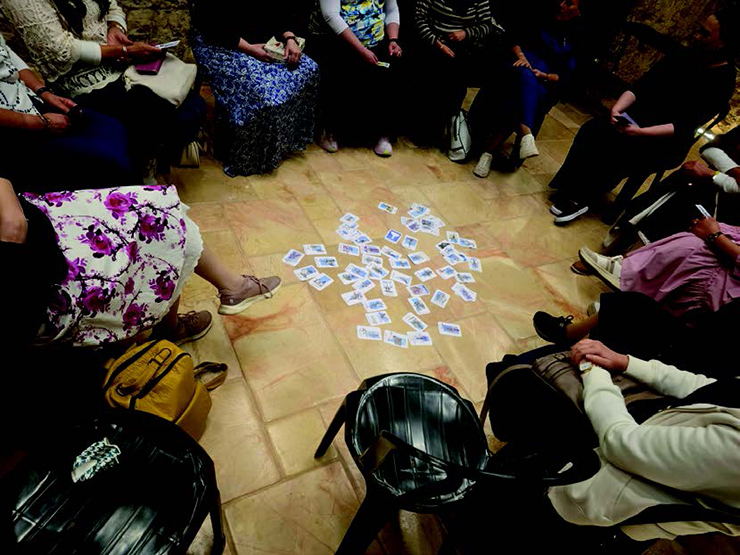
Osot Chayil began with a handful of women and has grown into a community of over 800 women from across the country. Chavy brings them together for therapeutic workshops, recreational evenings, chagim, and vacations. She has created a space where women both give and receive support. An active WhatsApp group keeps the women connected between gatherings. Meeting others who truly understand their reality is empowering; they realize they are not alone.
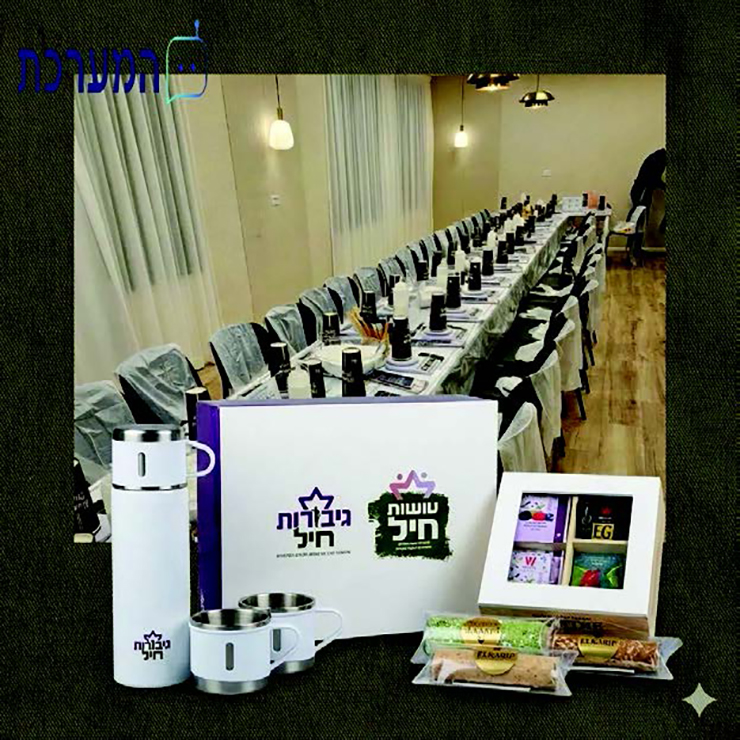
In preparation for the chagim in Tishrei, Chavy understood that many chareidi wives of miluimnikim would not be hosted by their families. She turned to the IDF and requested that they provide a solution for these women. After much negotiation, Chag Betzavta was initiated. For Rosh Hashanah and Sukkos, the IDF hosted families whose husbands and fathers were at the front at a chareidi hotel so they would not be alone. Osot Chayil joined this effort as well. The experience supported both the women and their children while fully accommodating their chareidi lifestyle. Boys who had not been called to the Torah for two years suddenly felt valued when they received kibudim. Families that had felt shame and embarrassment began to feel pride.
Last week, an evening of sharing and connection was held in Ramat Beit Shemesh for mothers of soldiers serving in all brigades, including elite units. One woman described how comforting it was to be among women who required no explanations or justifications. Here, they were equals. Some said it was the only place they could honestly speak about what it means to have a son serving in Gaza. Similarly, the organization sponsored a three-day retreat to Kibbutz Lavie, nurturing both body and soul with recreational activities, workshops, singing, and dancing. The event was marked by moments of tears and laughter.
Chavy explains that it is not only difficult when husbands are away, but also when they return home. Osot Chayil supports these women by normalizing their experiences and providing them with tools to navigate this complex period, helping families remain intact.
When Chavy and Miri Brodsky were interviewed on Channel 12’s Friday Morning Program, Chavy spoke about the mission of Osot Chayil. Miri shared the story of her son, Yosef Chaim, who had joined Netzach Yehudah, the first chareidi combat battalion. She chose to support him fully, and he became the pride of their family.
Yosef Chaim encounters a wide range of reactions when walking in uniform. Once, as he and his mother walked to shul on Shabbos, he carrying his weapon, they passed a mother and her two young sons. The younger boy asked if Yosef Chaim was a goy. Miri explained that he was not; he is a Jew and a soldier who is protecting him. The older boy asked for Yosef Chaim’s name so he could daven for his safety. Four months later, that same boy approached Yosef Chaim in shul and said, “Aren’t you Yosef Chaim? I’ve been davening for you.” Chavy concluded the interview by reciting the tefillah for chayalim as one of the interviewers wiped tears from her eyes.
Please continue to daven for the return of the last body still in Gaza, the healing of the wounded, comfort for the bereaved, and the safe return of all soldiers and rescue personnel.
Suzie Steinberg, (nee Schapiro), CSW, is a native of Kew Gardens Hills and resident of Ramat Beit Shemesh who publishes articles regularly in various newspapers and magazines about life in general, and about life in Israel in particular. Her recently published children’s book titled Hashem is Always With Me can be purchased in local Judaica stores as well as online. Suzie can be reached at This email address is being protected from spambots. You need JavaScript enabled to view it. and would love to hear from you.