From Ossie Schectman's first basket to Leon Rose's Ir David stone, the championship run wove Jewish New York into a story half a century in the making
Fifty-three years is a long time to wait. It is long enough for generations to be born, raise families, and grow old without ever seeing their team win it all. For many, disappointment had become the New York Knicks’ default identity. After years of resignation, many New Yorkers simply stopped expecting a win.
Then, against all odds, it happened. When the Knicks captured their first NBA championship since 1973, the victory became an instant hallmark of New York sports history. What made the moment stand out was not just the title, but how unexpected it was.
Throughout the playoffs, analysts remained unconvinced. Even many loyal fans, scarred by past letdowns, were slow to believe. The experts kept counting them out, and in a city like ours, it is easy to get cynical and wait for the collapse. But every time someone predicted a downfall, the team proved them wrong. By the time the final buzzer sounded, the skeptics were just background noise. While the championship belonged to the team, the celebration belonged to New York.
In an era when New Yorkers often seem divided by geography and ideology, the Knicks accomplished something few institutions can: they gave the entire city a common cause. For our community, the story carried several unexpected connections.
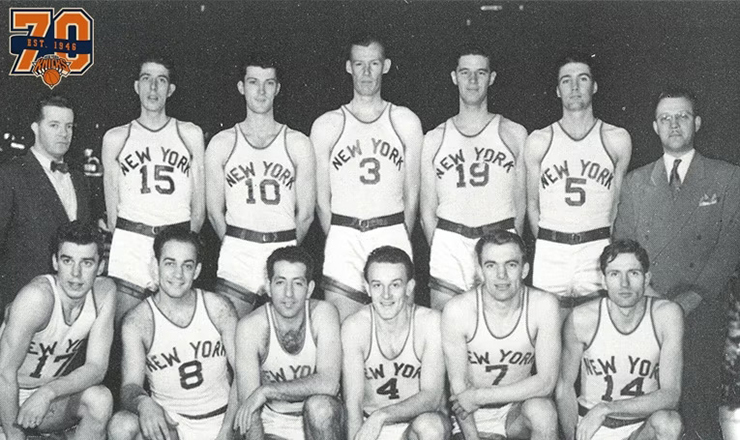
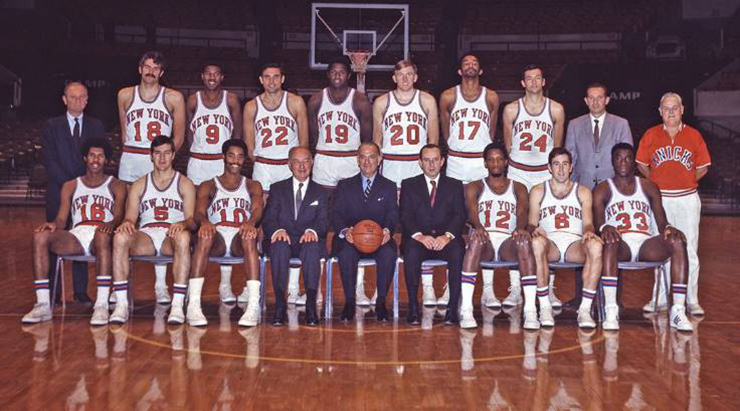
The Knicks’ Jewish roots run as deep as the franchise itself. The inaugural 1946 team was, in many ways, a Jewish team, featuring six Jewish players and four out of five opening-night starters. It was Ossie Schectman, a Jewish New Yorker, who scored the very first basket in NBA history on November 1, 1946.
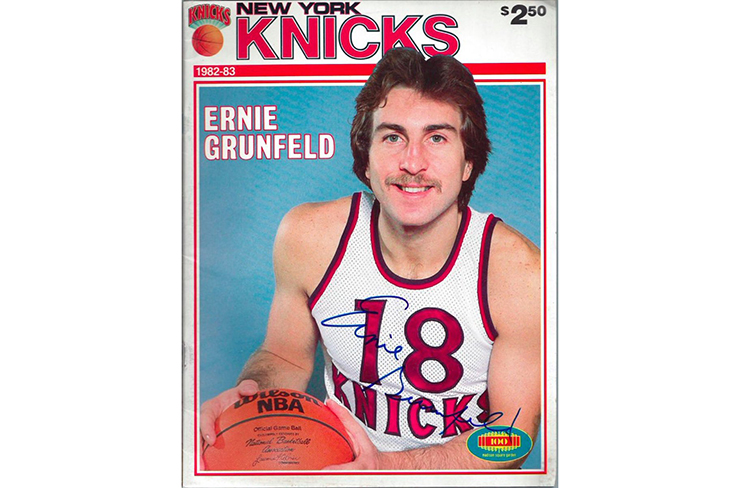
Older fans naturally thought of Red Holzman, the Brooklyn-born son of Jewish immigrants who coached the Knicks to their 1970 and 1973 titles. Others recalled Hall of Famer Dolph Schayes, one of the pioneers of professional basketball, and Ernie Grunfeld, the Olympic gold medalist who wore #18 - chai - and later helped shape the franchise from the front office. For generations, the soundtrack of Knicks basketball was also provided by Marv Albert, whose voice became synonymous with many of the team’s most memorable moments.
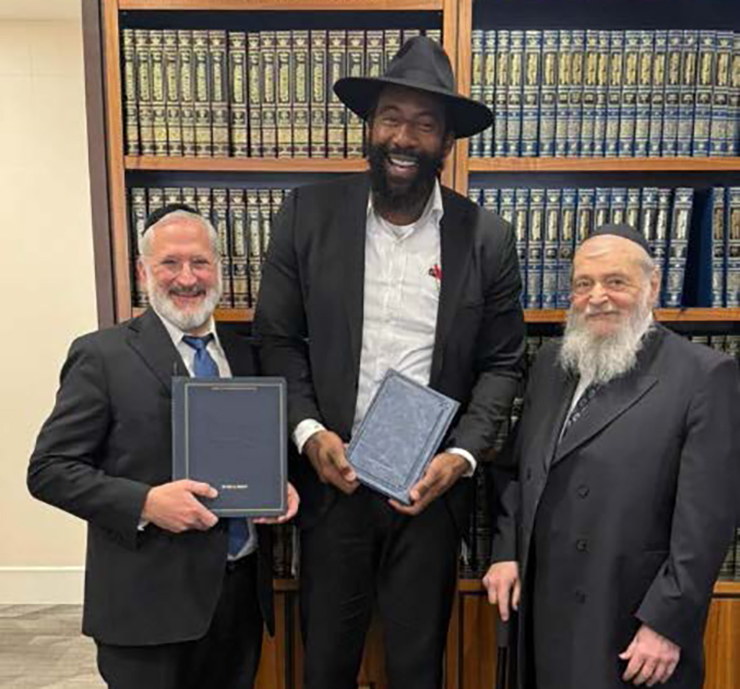
Even more recently, the connection has continued. Amar’e Stoudemire, whose journey led him to embrace Judaism and later obtain Israeli citizenship, remains a familiar figure to many in the Queens Jewish community through his appearances at Chazaq events and other local programs. These figures illustrate a relationship between the Knicks, basketball, and Jewish New York that stretches across generations. At the center of this current transformation stands Leon Rose, the team’s president and one of the lead architects of the championship roster. Rose, born to a Jewish family in South Jersey, spent years building the team, navigating tough personnel decisions, and avoiding the urge to chase short-term fixes.
One of the most intriguing stories involved a gift Rose received from fellow Jewish sports executive Howie Roseman of the Philadelphia Eagles: a piece of ancient stone from Ir David in Yerushalayim. Roseman, who had famously carried the same stone with him when the Eagles captured the Super Bowl, passed that tradition on to Rose. As the Knicks pursued their first title in more than half a century, Rose carried with him a physical connection to the ancient capital of the Jewish people.
Following that wave of history, the season also saw its share of lighter superstitions, fitting for a championship run defined by its unlikely nature. Some fans noted a coincidence: the championship was clinched on June 13, a date that shares the number 613 with the Torah’s 613 mitzvos. Others pointed out another Knicks connection to that number: Red Holzman finished his Knicks coaching career with 613 victories. Whether meaningful or merely coincidental, the recurrence of the number became a frequent talking point among fans during a postseason already filled with unlikely storylines.
Across Jewish neighborhoods throughout New York, the run became the talk of the town. Scores were checked after maariv. Fathers and sons stayed up late to watch games together, creating memories that echoed stories older generations had shared about the championship teams of the ‘70s. WhatsApp chats, normally used for community news, were filled with spirited debates about lineups and predictions for the next round.
At the championship parade, hundreds of thousands packed Lower Manhattan with an intensity that made the city feel smaller and more connected. At a time when the city can feel fractured, the championship created a momentary sense of unity in the streets.
The parade was a rare moment where the city truly felt like one big neighborhood. For many observant Jews, it took some effort—balancing davening schedules and keeping our standards while navigating a massive public event. But the trek from the subways of Queens into the heart of Manhattan felt like a shared mission. Seeing so many families from across our community out there, soaking it all in, was a powerful reminder of how much we are a part of the fabric of this city.
In these few weeks of June 2026, the city feels different. We are not just a city of neighborhoods and arguments; we are a city that finally has something to cheer about together.
By Shabsie Saphirstein