September 11 did not end for every family when the fires went out. For some, illness and death came years later.
’ Moshe “Moishe” Lederer, Hy”d, 49
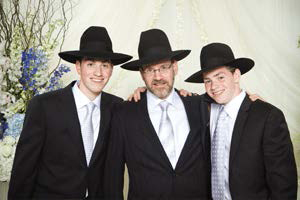
For Queens, the long-term effects of 9/11 became painfully personal in the story of Moishe Lederer.
A longtime Queens Hatzolah member from Kew Gardens, Lederer headed downtown after the first tower collapsed. He survived the day, came home, and returned to his life.
There were Hatzolah calls, family, shul, Maariv, and the countless small acts of chesed that people around him had come to expect without thinking much about who was doing them.
Ten years passed before Moishe began feeling sick. What initially presented as mysterious flu-like symptoms became something far more serious. He was diagnosed with what Mishpacha described as a rare 9/11-related illness. Within the year, he was gone.
Those who knew Moishe remembered the man who stayed after Maariv to put away seforim, empty the garbage, fix a light, or straighten something everyone else had walked past.
He helped quietly and seemed happiest when nobody made a fuss about it.
Dr. Michael G. Guttenberg, Hy”d, 50
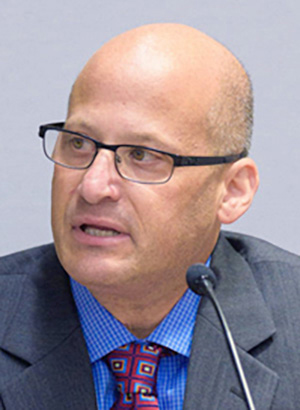
Dr. Michael Guttenberg was an FDNY EMS physician and emergency-services leader.
He was at the World Trade Center on 9/11 and survived the collapse. He then continued working, spending days in the disaster zone after the attack.
Years later, he developed pancreatic cancer. He fought the illness for approximately four and a half years before passing in 2017 at the age of 50. His death was formally recognized in connection with World Trade Center-related illness, and his name was added to the FDNY World Trade Center Memorial Wall.
Steve “Shlomo” Zakheim, Hy”d, 60
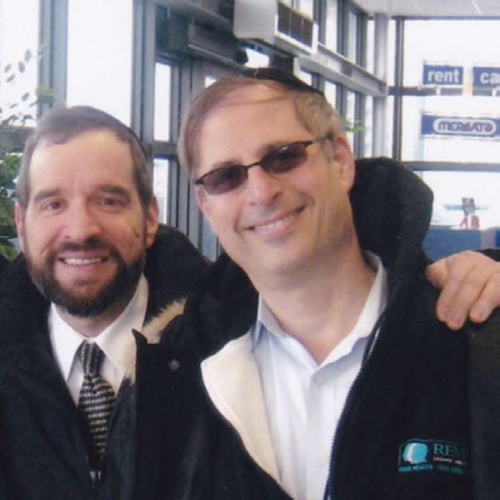
Steve Zakheim was a Flatbush businessman, Orthodox community activist, and longtime Hatzolah member remembered as the organization’s first paramedic. He helped establish the precedent of Hatzolah volunteers receiving paramedic training and taught CPR to community members in his home.
On 9/11, Zakheim responded at the World Trade Center, helping evacuate people from an endangered hotel and assisting an injured firefighter. His broader chesed work included arranging transportation for seriously ill children to medical care around the world, supporting Camp Simcha/Chai Lifeline, and establishing his own foundation modeled after Make-A-Wish.
Zakheim survived 9/11 but later developed cancer and died at Memorial Sloan Kettering in 2013. Published responder accounts later attributed his illness to his exposure to toxins at Ground Zero.
Michael Horen, Hy”d, 78
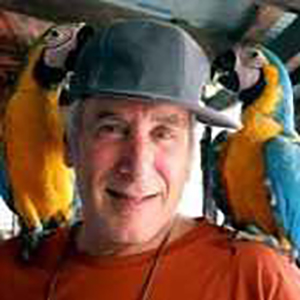
Michael Horen was neither an EMT nor a firefighter. He was an artist, a graphic designer, and a baal teshuvah known for filling his Riverdale home with guests for Shabbos meals.
After 9/11, he saw rescue workers who needed food and decided to help feed them. For roughly six weeks, five days a week, Horen returned to Ground Zero, helping deliver approximately 400 kosher meals a day.
Life eventually returned to something closer to normal, but in 2009 he was diagnosed with chronic lymphocytic leukemia. A decade later came acute myeloid leukemia. His family and doctors connected his illnesses to the weeks he had spent returning to Ground Zero. He died on January 1, 2020.
Morris Faitelewicz, a”h, 58
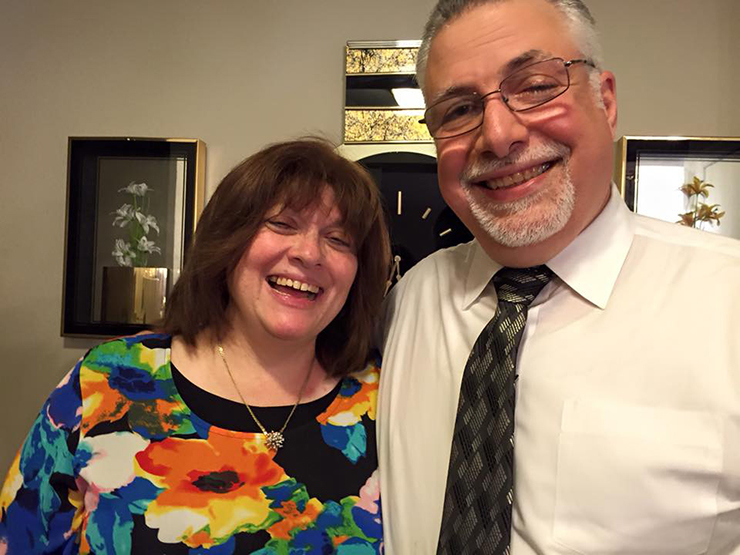
Morris Faitelewicz was known to Lower East Side Hatzolah as ES-17. He was also a veteran member of the NYPD Auxiliary Emergency Services Rescue Unit, rising to the rank of Deputy Inspector and serving in a citywide coordinating role.
When the World Trade Center was attacked, Morris rushed downtown.
His son Avi later remembered what his father looked like when he returned: His feet were covered in white dust. Morris survived 9/11 and continued serving.
Fourteen years later, he was traveling in the Catskills with his wife, Beth, and their future son-in-law, Yehuda Bayme, when their SUV overturned. All three were killed.
It happened on 23 Elul, the same Hebrew date on which the 9/11 attacks had occurred fourteen years earlier.
Beth Faitelewicz a”h, 54
Beth Faitelewicz was a nurse at Beth Israel Medical Center. When the planes struck, she went to the hospital on what had been her day off.
Everyone expected large numbers of casualties, and the hospital prepared for the wounded to arrive. Doctors and nurses, including Beth, waited. Far fewer patients came than expected because there were not enough survivors.
Fourteen years later, Beth died beside the husband who had rushed to Ground Zero that morning.
Their Lower East Side Orthodox community remembers a couple whose instinct, when someone needed help, was to show up.